


Digestive discomfort is something almost everyone experiences occasionally. A heavy meal may cause acidity, a stomach infection may lead to temporary diarrhoea, or stress may trigger abdominal discomfort. However, when digestive symptoms become frequent, severe, or persistent, they may indicate an underlying gastrointestinal condition that requires specialist evaluation.
Many people continue using over-the-counter medicines for months without identifying the actual cause of their symptoms. While temporary relief is possible, delaying medical attention can allow digestive diseases to progress. Knowing when to consult a gastroenterologist can help ensure timely diagnosis, appropriate treatment, and better long-term digestive health.
1. Persistent Acidity or Heartburn
Occasional acidity after eating spicy food is common, but frequent heartburn is not.
If you experience burning in the chest, acid regurgitation, or symptoms that occur several times a week, you may have gastroesophageal reflux disease (GERD). Untreated reflux can lead to complications such as oesophagitis or Barrett's oesophagus.
A gastroenterologist can evaluate the severity of your symptoms and recommend suitable investigations and treatment.
2. Chronic Diarrhoea
Diarrhoea lasting more than four weeks should never be ignored.
Persistent loose stools may be caused by:
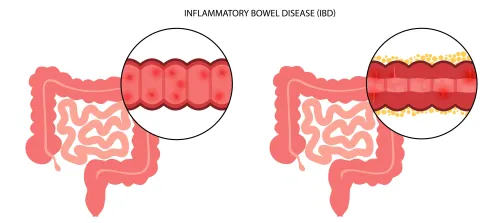
- Inflammatory Bowel Disease (IBD)
- Celiac disease
- Chronic infections
- Pancreatic disorders
- Malabsorption syndromes
Early diagnosis is important to prevent dehydration, nutritional deficiencies, and intestinal complications.
3. Blood in the Stool
Even a small amount of blood in the stool warrants medical evaluation.
Possible causes include:
- Haemorrhoids
- Colonic polyps
- Ulcerative colitis
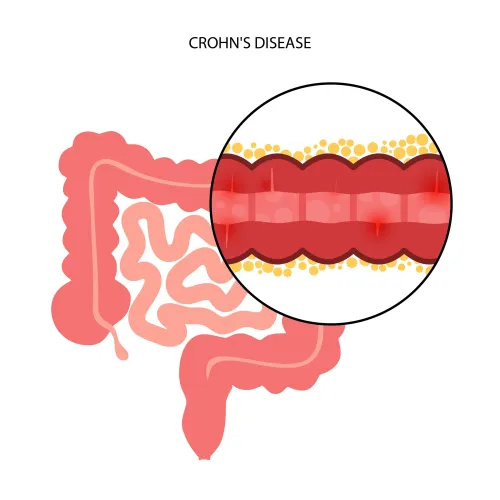
- Crohn's disease
- Colon cancer
Because some causes are serious, self-treatment without proper diagnosis should be avoided.
4. Unexplained Weight Loss
Losing weight without changes in diet or exercise may indicate an underlying digestive disorder.
Possible reasons include:
- Celiac disease
- Crohn's disease
- Chronic liver disease
- Pancreatic disorders
- Gastrointestinal cancers
A thorough evaluation helps identify the cause and guides appropriate treatment.
5. Frequent Abdominal Pain
Occasional stomach discomfort is common, but repeated or severe abdominal pain should be investigated.
Persistent pain may be associated with:
- Gallbladder disease
- Pancreatitis
- Inflammatory bowel disease
- Peptic ulcers
- Intestinal obstruction
The location, severity, and timing of the pain provide important clues during diagnosis.
6. Difficulty Swallowing
Trouble swallowing food or feeling that food gets stuck while eating should never be ignored.
This symptom may result from:
- Oesophageal narrowing
- Chronic acid reflux
- Inflammation
- Motility disorders
- Less commonly, oesophageal cancer
Endoscopic evaluation is often recommended to determine the cause.
7. Ongoing Constipation
Constipation that persists despite adequate hydration, dietary fibre, and physical activity may require further investigation.
Chronic constipation can sometimes indicate:
- Functional bowel disorders
- Colonic narrowing
- Neurological conditions
- Metabolic disorders
Your doctor can determine whether additional testing is necessary.
8. Family History of Colon Cancer
Even if you have no symptoms, a family history of colorectal cancer or colonic polyps increases your risk.
Regular colon cancer screening allows early detection of precancerous polyps and significantly improves the chances of preventing colorectal cancer.
Your gastroenterologist can recommend the appropriate age and screening interval based on your personal and family history.
9. Persistent Fatigue with Digestive Symptoms
Fatigue combined with digestive complaints may indicate underlying nutritional deficiencies or chronic inflammation.
Conditions such as:
- Celiac disease
- Crohn's disease
- Ulcerative colitis
- Chronic gastrointestinal bleeding
can reduce the body's ability to absorb nutrients or lead to anaemia.
Identifying the cause early helps prevent long-term health complications.
10. Abnormal Findings on Previous Tests
If blood tests, imaging scans, stool tests, or routine health check-ups reveal abnormalities involving the digestive system, further evaluation by a gastroenterologist is advisable.
Advanced procedures such as endoscopy, colonoscopy, or Double Balloon Enteroscopy may be recommended depending on the clinical findings.
Why Early Consultation Makes a Difference
Many gastrointestinal diseases progress gradually and may not produce severe symptoms in their early stages. Seeking medical advice promptly can lead to:
- Earlier diagnosis
- More effective treatment
- Prevention of complications
- Better symptom control
- Improved long-term digestive health
- Reduced need for emergency hospitalization
Ignoring persistent symptoms often results in delayed treatment and more complex medical problems.
For individuals in Mumbai experiencing ongoing digestive concerns, consulting an experienced specialist can provide clarity and timely care. Dr. Harshad Joshi offers comprehensive evaluation for a wide range of gastrointestinal disorders, including Inflammatory Bowel Disease, Celiac disease, chronic diarrhoea, liver disorders, advanced endoscopic procedures, and colon cancer screening. Through personalized treatment plans and evidence-based medical care, patients receive the support needed to manage digestive conditions effectively and maintain better overall health.