Mumbai
08042752910
+919833379559

Products

Fibroscan

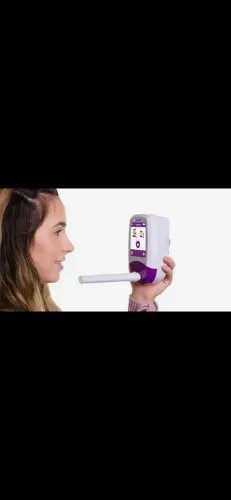
A FibroScan is a non-invasive medical device used to assess the level of fibrosis (scarring) and fat accumulation in the liver. It's commonly used to evaluate the health and condition of the liver in individuals with various liver diseases, particularly those with chronic liver conditions like hepatitis, fatty liver disease, and cirrhosis. The device uses a technology called transient elastography to measure the stiffness of the liver tissue, which can provide valuable information about the degree of liver damage. Here's how a FibroScan typically works: 1. Preparation: Generally, no special preparation is needed for a FibroScan. Patients can usually eat, drink, and take their medications as usual on the day of the test. 2. Procedure: The patient lies down on a bed, and a technician applies a water-based gel to the skin over the right upper abdomen. The technician then places the FibroScan probe on the gel-coated area. 3. Measurement: The FibroScan probe emits a mechanical pulse, which creates a vibration in the liver tissue. This vibration generates shear waves that travel through the liver. The device measures the speed at which these shear waves travel through the liver, providing information about the tissue's stiffness. 4. Stiffness Calculation: The FibroScan calculates the liver stiffness based on the speed of the shear waves. Liver stiffness is closely related to the amount of fibrosis or scarring present in the liver. 5. Results: The FibroScan provides a numerical value for liver stiffness. This value is often expressed in kilopascals (kPa). A higher kPa value indicates more advanced fibrosis or liver damage. The results obtained from a FibroScan can help healthcare providers determine the extent of liver damage and tailor appropriate treatment plans. It's a useful tool for tracking the progression of liver diseases and monitoring the effectiveness of interventions.

Biofeedback Therapy

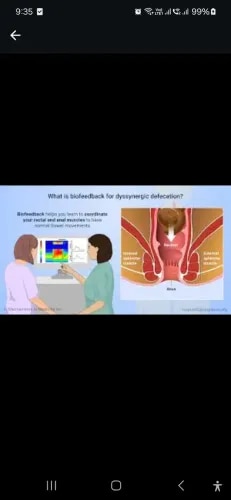
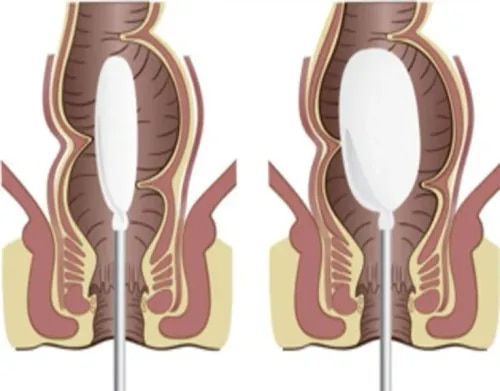
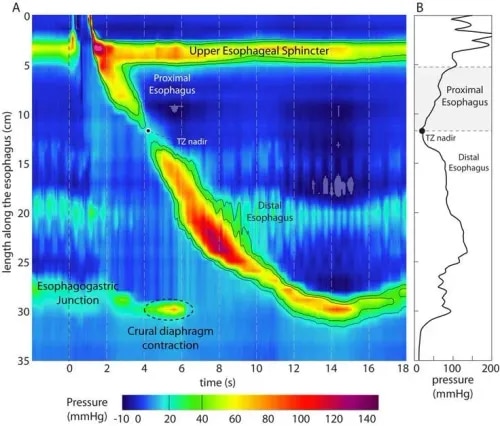
Biofeedback therapy is commonly used as a treatment approach for anorectal dyssynergia, also known as pelvic floor dyssynergia or paradoxical puborectalis contraction. This can result in difficulties with defecation, constipation, and other related symptoms. Biofeedback therapy can be highly effective in helping individuals with anorectal dyssynergia learn how to control and coordinate their pelvic floor muscles and anal sphincters correctly. Here's how biofeedback therapy is applied to treat anorectal dyssynergia: 1. Assessment: The therapist uses specialized sensors to monitor the individual's pelvic floor muscles and anal sphincters. This assessment helps identify the specific muscular imbalances and coordination issues contributing to the dyssynergia. 2. Feedback: During the therapy sessions, the individual is given real-time feedback about their muscle activity and coordination patterns. This feedback helps them become more aware of their muscle contractions and learn how to relax and coordinate their pelvic floor muscles more effectively. 3. Muscle Training: The therapist guides the individual through exercises and relaxation techniques to improve the coordination of their pelvic floor muscles and anal sphincters. The individual practices contracting and relaxing these muscles in response to the feedback. 4. Coordination Techniques: Individuals with anorectal dyssynergia often need to learn to relax the pelvic floor muscles while simultaneously coordinating relaxation of the anal sphincters for effective bowel movements. Biofeedback therapy helps teach these coordination techniques. 5. At-Home Practice: The techniques learned in therapy are often practiced at home as part of the treatment plan. Individuals can use biofeedback devices or other cues to continue practicing proper muscle coordination. Biofeedback therapy for anorectal dyssynergia aims to improve bowel function, alleviate constipation, and reduce the discomfort associated with ineffective muscle coordination during defecation. It's important to note that the effectiveness of biofeedback therapy depends on the individual's commitment to regular practice and the guidance of a skilled therapist. A healthcare professional, such as a physical therapist or gastroenterologist, typically oversees and guides the biofeedback therapy sessions tailored to the individual's specific condition and needs.

ERCP

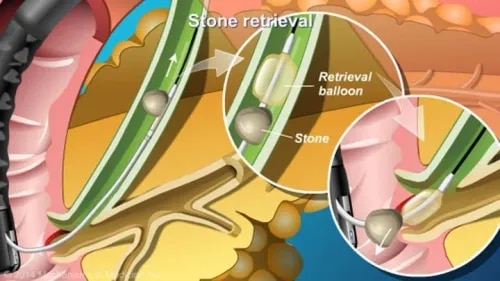
Patient Information: ERCP (Endoscopic Retrograde Cholangiopancreatography) What is ERCP? ERCP (Endoscopic Retrograde Cholangiopancreatography) is a medical procedure used to diagnose and treat conditions affecting the bile ducts, pancreas, and gallbladder. It combines endoscopy and X-ray imaging to visualize and manage abnormalities such as gallstones, strictures, or blockages. Why is ERCP Done? Your doctor may recommend ERCP if you have: Gallstones in the bile duct Bile duct strictures (narrowing) Pancreatitis with suspected ductal obstruction Tumors affecting the bile or pancreatic ducts Unexplained jaundice (yellowing of skin and eyes) How is ERCP Performed? You will be given sedation or anesthesia for comfort. A thin, flexible tube with a camera (endoscope) is passed through your mouth into the digestive tract. A special dye is injected into the bile and pancreatic ducts to make them visible on X-ray. If necessary, treatments like stone removal, stent placement, or dilation of strictures can be done during the procedure. Preparation for ERCP Do not eat or drink for at least 6 hours before the procedure. Inform your doctor about any medications, allergies, or existing health conditions. Arrange for someone to take you home after the procedure due to sedation effects. Risks and Possible Complications While ERCP is generally safe, potential risks include: Pancreatitis (inflammation of the pancreas) Infection Bleeding Perforation (rare but serious) After the Procedure You may feel mild throat discomfort or bloating, which should subside. Avoid eating for a few hours until advised by your doctor. Watch for severe pain, fever, or persistent nausea, and contact your doctor if these occur. When to Seek Medical Help Call your doctor immediately if you experience: Severe abdominal pain High fever or chills Persistent nausea or vomiting Jaundice worsening after the procedure ERCP is a valuable tool for diagnosing and treating digestive system conditions. If you have any concerns, discuss them with your doctor before the procedure.

Endoscopic Ultrasound (EUS)

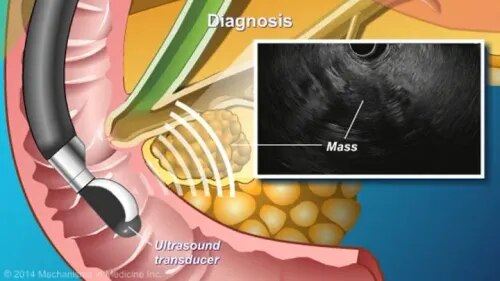
Patient Information: Endoscopic Ultrasound (EUS) What is Endoscopic Ultrasound (EUS)? Endoscopic Ultrasound (EUS) is a minimally invasive procedure that combines endoscopy and ultrasound to examine the digestive tract and nearby organs. It provides detailed images of the esophagus, stomach, pancreas, liver, bile ducts, and lymph nodes. Why is EUS Performed? Your doctor may recommend EUS for various reasons, including: Evaluating abnormal findings from other imaging tests (e.g., CT, MRI) Diagnosing and staging cancers of the digestive tract, pancreas, or nearby organs Assessing unexplained abdominal pain or weight loss Examining cysts, tumors, or lesions Guiding fine-needle aspiration (FNA) to obtain tissue samples for biopsy Evaluating chronic conditions such as pancreatitis How to Prepare for EUS? Fasting: Do not eat or drink anything for at least 6–8 hours before the procedure. Medications: Inform your doctor about any medications, especially blood thinners or diabetes medications. Allergies: Inform your doctor about any allergies, particularly to anesthesia or sedatives. Medical History: Share any past surgeries, medical conditions, or concerns with your doctor. What Happens During the Procedure? You will receive sedation or anesthesia to keep you comfortable. The doctor will insert a thin, flexible tube (endoscope) with an ultrasound probe through your mouth or rectum, depending on the area being examined. The ultrasound probe captures high-resolution images of the digestive organs. If needed, a fine needle may be used to collect tissue samples for further analysis. The procedure typically takes 30–60 minutes. What to Expect After EUS? You may feel mild throat discomfort or bloating, which usually resolves quickly. If you received sedation, you may feel drowsy, so arrange for someone to take you home. Most patients resume normal activities the next day. Your doctor will discuss any findings and next steps after the procedure. Are There Any Risks? EUS is generally safe, but potential risks include: Mild discomfort in the throat or abdomen Rare complications such as bleeding or infection (more likely if a biopsy is taken) Temporary changes in blood pressure or heart rate due to sedation When to Contact Your Doctor? Seek medical attention if you experience: Severe abdominal pain Persistent vomiting or difficulty swallowing Fever or signs of infection Bleeding from the throat or rectum Conclusion Endoscopic Ultrasound is a valuable diagnostic tool that provides detailed images and helps guide treatment decisions. If you have any concerns or questions, discuss them with your doctor before the procedure.

Phone Number

08042752910

Please keep 0 before dialling the number.

Email Address doc.ibdclinic@gmail.com

Mon-Thu: 10 AM - 2 PM • Fri: 3 PM - 7AM

Address India

Mumbai, India, 400012