Anorectal Manometry
Description
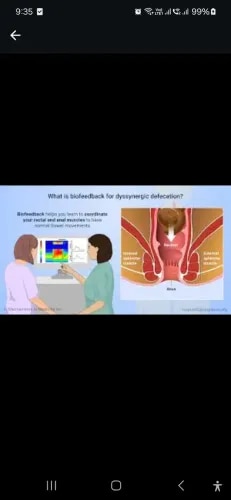
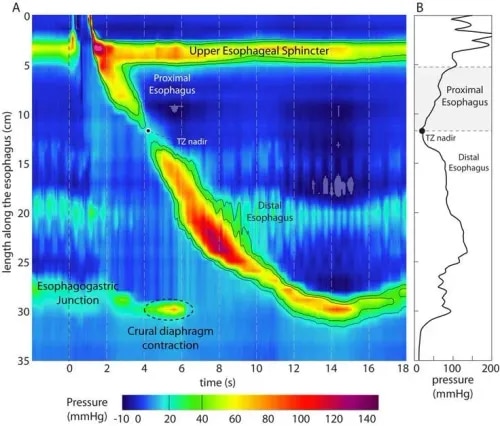
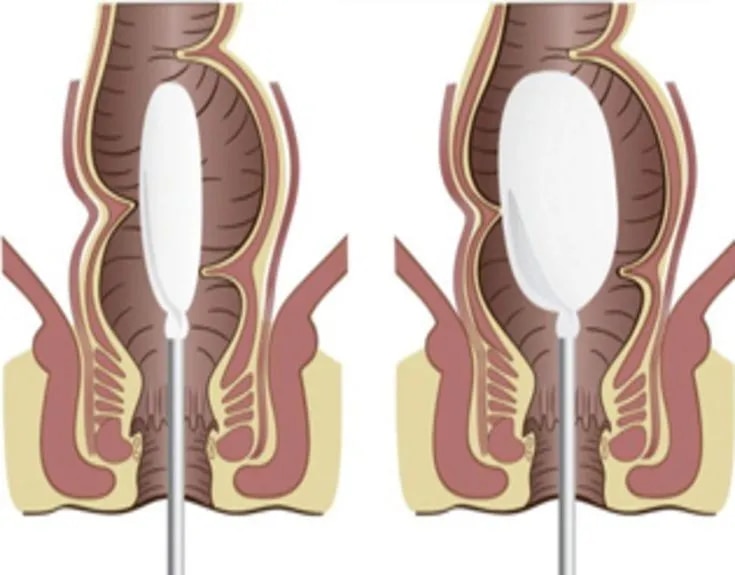
Anorectal manometry is a diagnostic procedure used to evaluate the function of the muscles and nerves in the rectum and anal canal.
Anorectal manometry helps healthcare providers understand how these muscles and nerves work together to control bowel movements, stool retention, and other functions related to the rectum and anus.
Anorectal manometry provides valuable information about various aspects of anorectal function, including:
• Anal Sphincter Function: It assesses the strength and coordination of the anal sphincter muscles, which control bowel movements and prevent involuntary passage of stool.
• Rectal Sensation: The procedure can evaluate the sensitivity of the rectum to distension, which helps understand the sensation of fullness and the urge to defecate.
• Defecation Disorders: Anorectal manometry can help diagnose conditions such as fecal incontinence (inability to control bowel movements) and constipation.
• Pelvic Floor Disorders: It can provide insights into conditions affecting the muscles and nerves of the pelvic floor, such as pelvic floor dysfunction.
Anorectal manometry is generally safe, although patients may experience temporary discomfort or mild irritation due to the presence of the catheter.