Biofeedback Therapy
Description
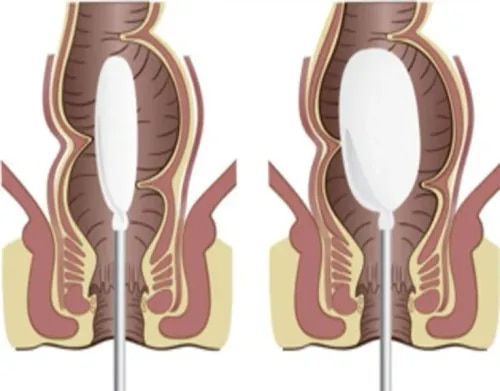
Biofeedback therapy is commonly used as a treatment approach for anorectal dyssynergia, also known as pelvic floor dyssynergia or paradoxical puborectalis contraction. This can result in difficulties with defecation, constipation, and other related symptoms.
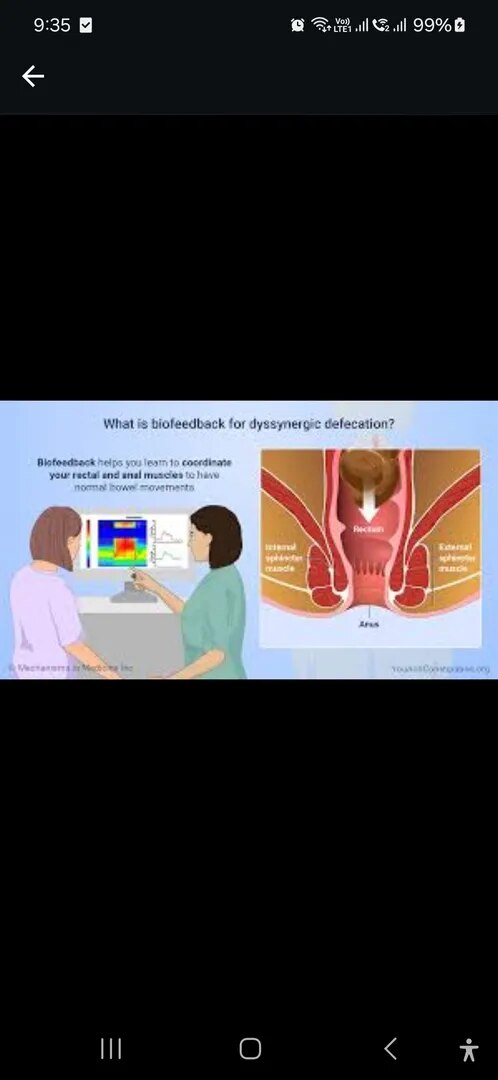
Biofeedback therapy can be highly effective in helping individuals with anorectal dyssynergia learn how to control and coordinate their pelvic floor muscles and anal sphincters correctly.
Here's how biofeedback therapy is applied to treat anorectal dyssynergia:
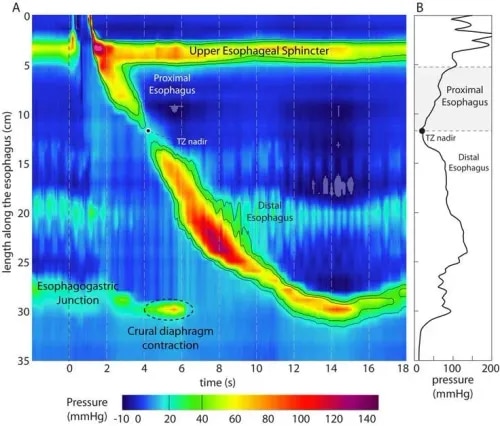
1. Assessment: The therapist uses specialized sensors to monitor the individual's pelvic floor muscles and anal sphincters. This assessment helps identify the specific muscular imbalances and coordination issues contributing to the dyssynergia.
2. Feedback: During the therapy sessions, the individual is given real-time feedback about their muscle activity and coordination patterns. This feedback helps them become more aware of their muscle contractions and learn how to relax and coordinate their pelvic floor muscles more effectively.
3. Muscle Training: The therapist guides the individual through exercises and relaxation techniques to improve the coordination of their pelvic floor muscles and anal sphincters. The individual practices contracting and relaxing these muscles in response to the feedback.
4. Coordination Techniques: Individuals with anorectal dyssynergia often need to learn to relax the pelvic floor muscles while simultaneously coordinating relaxation of the anal sphincters for effective bowel movements. Biofeedback therapy helps teach these coordination techniques.
5. At-Home Practice: The techniques learned in therapy are often practiced at home as part of the treatment plan. Individuals can use biofeedback devices or other cues to continue practicing proper muscle coordination.
Biofeedback therapy for anorectal dyssynergia aims to improve bowel function, alleviate constipation, and reduce the discomfort associated with ineffective muscle coordination during defecation.
It's important to note that the effectiveness of biofeedback therapy depends on the individual's commitment to regular practice and the guidance of a skilled therapist.
A healthcare professional, such as a physical therapist or gastroenterologist, typically oversees and guides the biofeedback therapy sessions tailored to the individual's specific condition and needs.