Mumbai
08042752910
+919833379559
Endoscopy

Capsule Endoscopy

INR 50000
Availablepay at clinic not available
Phone Number

08042752910

Please keep 0 before dialling the number.

Email Address doc.ibdclinic@gmail.com

Mon-Thu: 10 AM - 2 PM • Fri: 3 PM - 7AM

Address India

Mumbai, India, 400012

Description

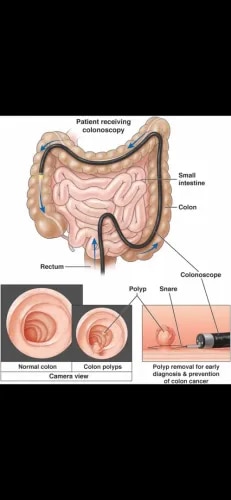
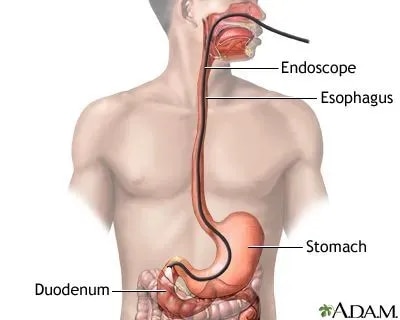
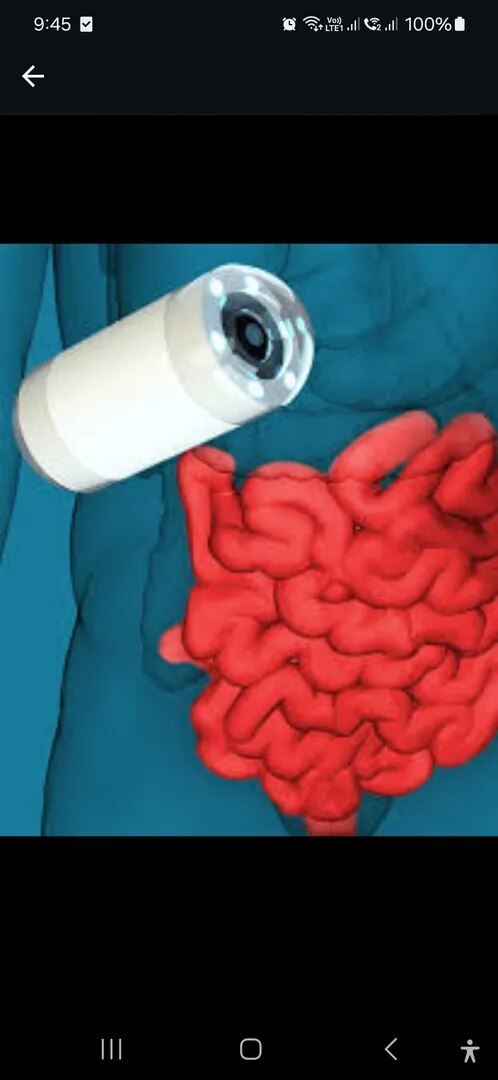
Capsule endoscopy is a non-invasive medical procedure that involves swallowing a small, pill-sized capsule equipped with a camera and light source. This capsule, often referred to as a "camera pill," travels through the digestive tract, capturing images of the gastrointestinal (GI) tract's inner lining as it moves along. These images are wirelessly transmitted to a recording device worn by the patient, allowing healthcare providers to visualize and analyze the condition of the GI tract. Capsule endoscopy is commonly used for several purposes: • Small Intestine Examination: It is especially useful for visualizing the small intestine, as this part of the GI tract is not easily reached by traditional endoscopy or colonoscopy. • Diagnosis: Capsule endoscopy can help diagnose conditions such as obscure gastrointestinal bleeding (bleeding of unknown origin), Crohn's disease, celiac disease, tumors, polyps, and other abnormalities in the GI tract. Capsule endoscopy is generally well-tolerated and less invasive than traditional endoscopic procedures. The capsule is usually excreted naturally within a day or two after ingestion. However, there are some limitations to capsule endoscopy, such as its inability to perform biopsies or treat conditions during the procedure.

Other Products

view all

Fibroscan

A FibroScan is a non-invasive medical device used to assess the level of fibrosis (scarring) and fat accumulation in the liver. It's commonly used to evaluate the health and condition of the liver in individuals with various liver diseases, particularly those with chronic liver conditions like hepatitis, fatty liver disease, and cirrhosis. The device uses a technology called transient elastography to measure the stiffness of the liver tissue, which can provide valuable information about the degree of liver damage. Here's how a FibroScan typically works: 1. Preparation: Generally, no special preparation is needed for a FibroScan. Patients can usually eat, drink, and take their medications as usual on the day of the test. 2. Procedure: The patient lies down on a bed, and a technician applies a water-based gel to the skin over the right upper abdomen. The technician then places the FibroScan probe on the gel-coated area. 3. Measurement: The FibroScan probe emits a mechanical pulse, which creates a vibration in the liver tissue. This vibration generates shear waves that travel through the liver. The device measures the speed at which these shear waves travel through the liver, providing information about the tissue's stiffness. 4. Stiffness Calculation: The FibroScan calculates the liver stiffness based on the speed of the shear waves. Liver stiffness is closely related to the amount of fibrosis or scarring present in the liver. 5. Results: The FibroScan provides a numerical value for liver stiffness. This value is often expressed in kilopascals (kPa). A higher kPa value indicates more advanced fibrosis or liver damage. The results obtained from a FibroScan can help healthcare providers determine the extent of liver damage and tailor appropriate treatment plans. It's a useful tool for tracking the progression of liver diseases and monitoring the effectiveness of interventions.