Enteroscopy
Description
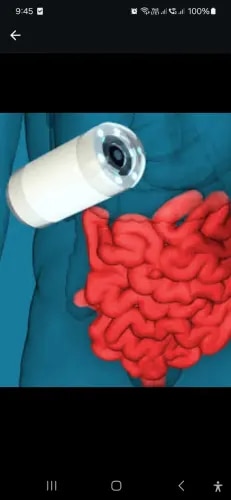
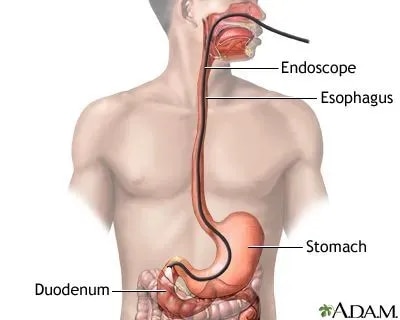
Enteroscopy is a medical procedure used to visualize and examine the small intestine, which is located between the stomach and the large intestine (colon).
The small intestine is relatively difficult to access using traditional imaging methods like endoscopy or colonoscopy due to its length and location.
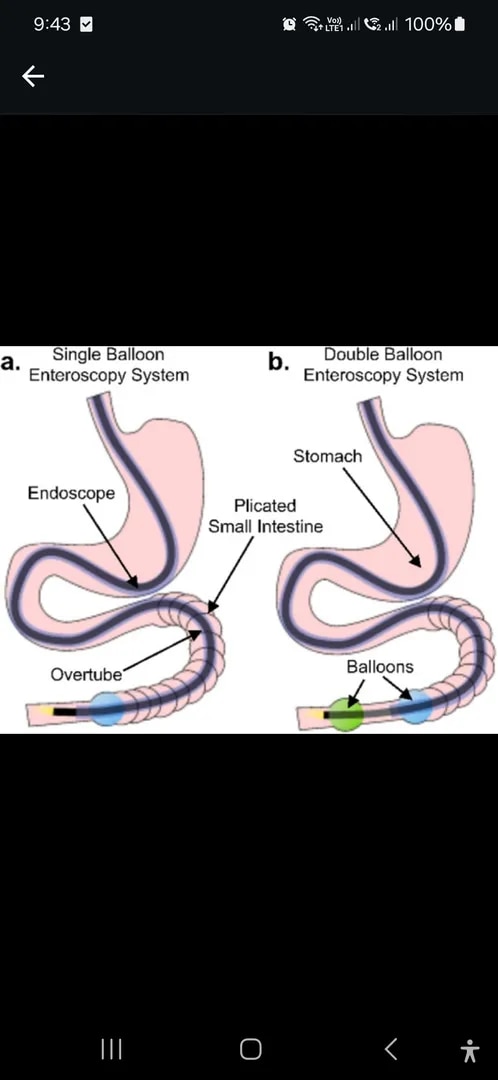
Double-Balloon Enteroscopy: This method employs an endoscope with two balloons, one at the tip and another on the side. The balloons are alternately inflated and deflated to advance the scope through the small intestine in a "step-by-step" manner.
Enteroscopy is used for several purposes:
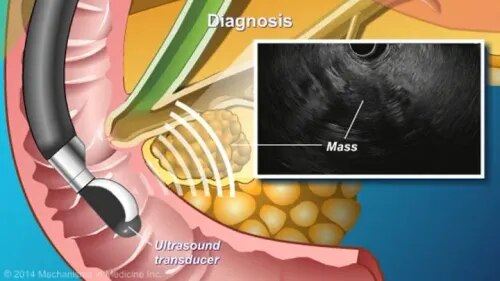
1. Diagnosis: It can help diagnose various conditions affecting the small intestine, including Crohn's disease, tumours, ulcers, bleeding, celiac disease, and other inflammatory or structural disorders.
2. Biopsies: During enteroscopy, tissue samples (biopsies) can be taken from the small intestine's lining to aid in diagnosing certain diseases.
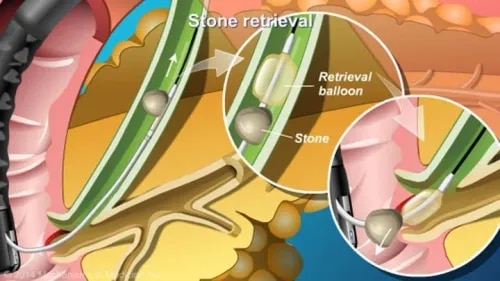
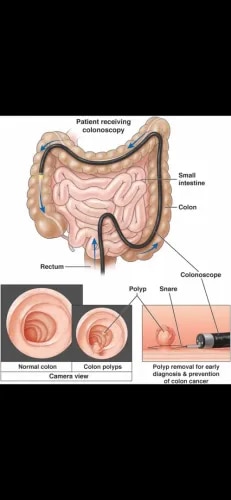
3. Polyp and Lesion Removal: If polyps, lesions, or abnormal growths are identified, enteroscopy can be used to remove or treat them.
4. Bleeding Management: Enteroscopy can help identify the source of gastrointestinal bleeding in the small intestine and potentially allow for interventions to stop the bleeding.