Mumbai
08042752910
+919833379559
Endoscopy

ERCP

INR 45000
Availablepay at clinic not available
Phone Number

08042752910

Please keep 0 before dialling the number.

Email Address doc.ibdclinic@gmail.com

Mon-Thu: 10 AM - 2 PM • Fri: 3 PM - 7AM

Address India

Mumbai, India, 400012

Description

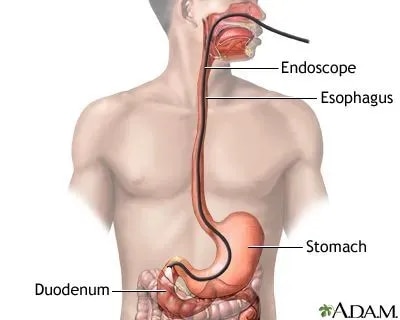
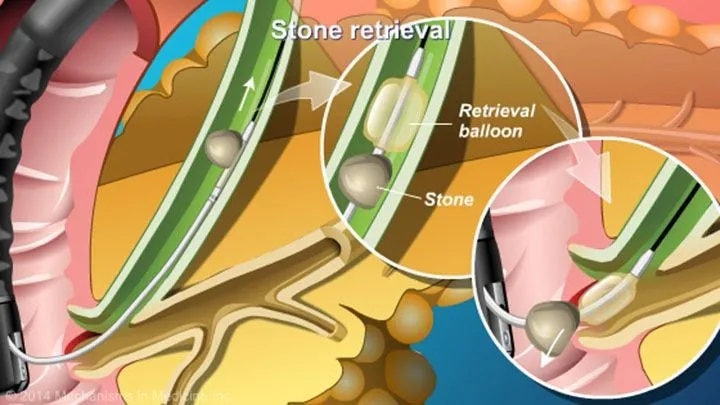
Patient Information: ERCP (Endoscopic Retrograde Cholangiopancreatography) What is ERCP? ERCP (Endoscopic Retrograde Cholangiopancreatography) is a medical procedure used to diagnose and treat conditions affecting the bile ducts, pancreas, and gallbladder. It combines endoscopy and X-ray imaging to visualize and manage abnormalities such as gallstones, strictures, or blockages. Why is ERCP Done? Your doctor may recommend ERCP if you have: Gallstones in the bile duct Bile duct strictures (narrowing) Pancreatitis with suspected ductal obstruction Tumors affecting the bile or pancreatic ducts Unexplained jaundice (yellowing of skin and eyes) How is ERCP Performed? You will be given sedation or anesthesia for comfort. A thin, flexible tube with a camera (endoscope) is passed through your mouth into the digestive tract. A special dye is injected into the bile and pancreatic ducts to make them visible on X-ray. If necessary, treatments like stone removal, stent placement, or dilation of strictures can be done during the procedure. Preparation for ERCP Do not eat or drink for at least 6 hours before the procedure. Inform your doctor about any medications, allergies, or existing health conditions. Arrange for someone to take you home after the procedure due to sedation effects. Risks and Possible Complications While ERCP is generally safe, potential risks include: Pancreatitis (inflammation of the pancreas) Infection Bleeding Perforation (rare but serious) After the Procedure You may feel mild throat discomfort or bloating, which should subside. Avoid eating for a few hours until advised by your doctor. Watch for severe pain, fever, or persistent nausea, and contact your doctor if these occur. When to Seek Medical Help Call your doctor immediately if you experience: Severe abdominal pain High fever or chills Persistent nausea or vomiting Jaundice worsening after the procedure ERCP is a valuable tool for diagnosing and treating digestive system conditions. If you have any concerns, discuss them with your doctor before the procedure.

Other Products

view all

Fibroscan

A FibroScan is a non-invasive medical device used to assess the level of fibrosis (scarring) and fat accumulation in the liver. It's commonly used to evaluate the health and condition of the liver in individuals with various liver diseases, particularly those with chronic liver conditions like hepatitis, fatty liver disease, and cirrhosis. The device uses a technology called transient elastography to measure the stiffness of the liver tissue, which can provide valuable information about the degree of liver damage. Here's how a FibroScan typically works: 1. Preparation: Generally, no special preparation is needed for a FibroScan. Patients can usually eat, drink, and take their medications as usual on the day of the test. 2. Procedure: The patient lies down on a bed, and a technician applies a water-based gel to the skin over the right upper abdomen. The technician then places the FibroScan probe on the gel-coated area. 3. Measurement: The FibroScan probe emits a mechanical pulse, which creates a vibration in the liver tissue. This vibration generates shear waves that travel through the liver. The device measures the speed at which these shear waves travel through the liver, providing information about the tissue's stiffness. 4. Stiffness Calculation: The FibroScan calculates the liver stiffness based on the speed of the shear waves. Liver stiffness is closely related to the amount of fibrosis or scarring present in the liver. 5. Results: The FibroScan provides a numerical value for liver stiffness. This value is often expressed in kilopascals (kPa). A higher kPa value indicates more advanced fibrosis or liver damage. The results obtained from a FibroScan can help healthcare providers determine the extent of liver damage and tailor appropriate treatment plans. It's a useful tool for tracking the progression of liver diseases and monitoring the effectiveness of interventions.