IBD in India — A Rising Epidemic
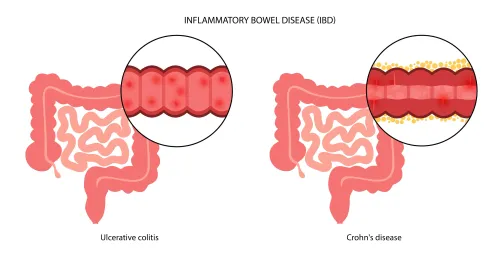
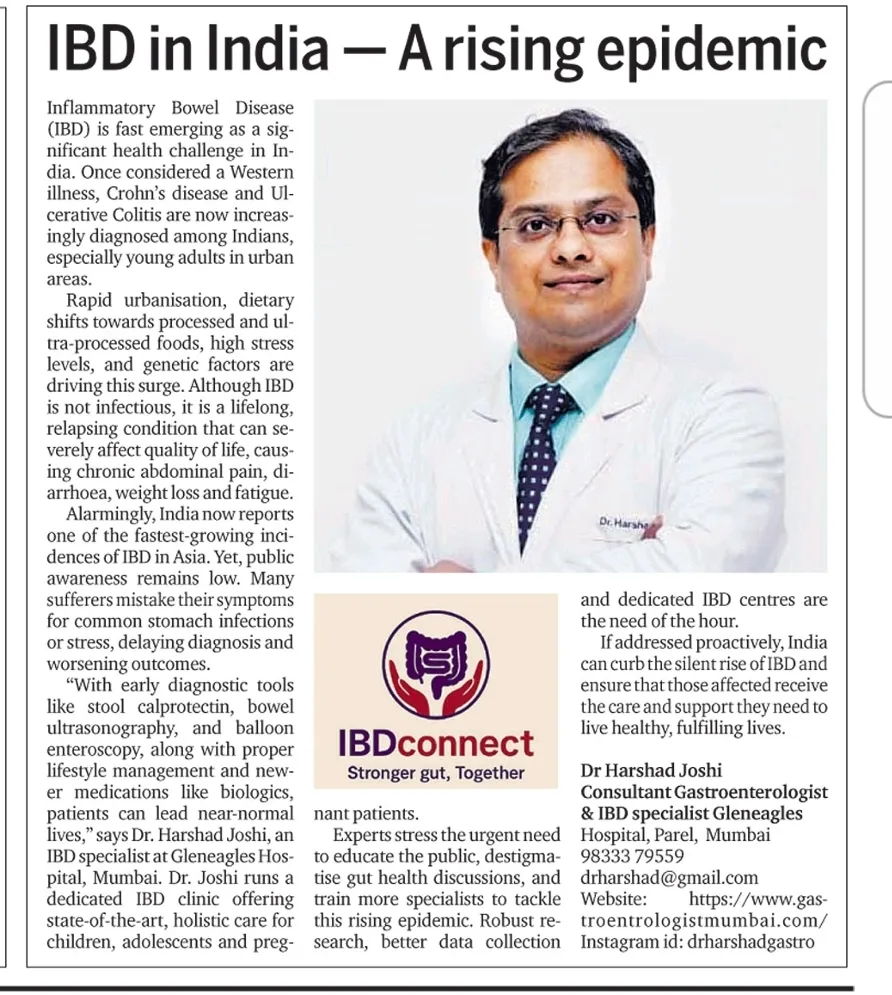
In recent years, Inflammatory Bowel Disease (IBD) has emerged as an unexpected and growing health challenge in India. Once thought to be a disease of the West, conditions like Crohn’s disease and Ulcerative Colitis are now increasingly diagnosed among Indians, particularly young adults and urban populations.
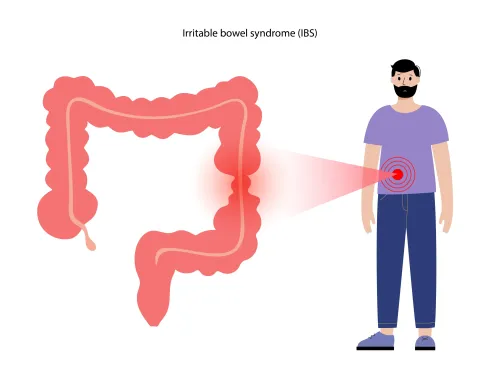
Experts suggest that rapid urbanization, dietary shifts towards processed foods, increasing stress levels, and genetic susceptibility are key contributors to this rising trend. While IBD is not infectious, it is a lifelong, relapsing condition that can severely impact a person’s quality of life, causing chronic abdominal pain, diarrhoea, weight loss and fatigue.
Alarmingly, India now reports one of the fastest-growing incidences of IBD in Asia. However, public awareness remains low. Many patients suffer in silence, mistaking their symptoms for common stomach infections or stress-related problems, delaying diagnosis and treatment.
Leading gastroenterologists stress the urgent need for increased awareness, early diagnosis and access to specialised care. “Timely treatment and proper lifestyle management can help patients lead near-normal lives,” says Dr. XYZ, an IBD specialist based in Mumbai.
There is also a call for more robust data collection, research, and the establishment of dedicated IBD clinics across the country. As India’s healthcare system battles this modern epidemic, empowering patients through education, destigmatising gut health discussions, and training more specialists will be crucial.
If addressed proactively, India can curb the silent rise of IBD and ensure that those living with it get the care and support they need to thrive.
In recent years, Inflammatory Bowel Disease (IBD) has emerged as an unexpected and growing health challenge in India. Once thought to be a disease of the West, conditions like Crohn’s disease and Ulcerative Colitis are now increasingly diagnosed among Indians, particularly young adults and urban populations.
Experts suggest that rapid urbanization, dietary shifts towards processed foods, increasing stress levels, and genetic susceptibility are key contributors to this rising trend. While IBD is not infectious, it is a lifelong, relapsing condition that can severely impact a person’s quality of life, causing chronic abdominal pain, diarrhoea, weight loss and fatigue.
Alarmingly, India now reports one of the fastest-growing incidences of IBD in Asia. However, public awareness remains low. Many patients suffer in silence, mistaking their symptoms for common stomach infections or stress-related problems, delaying diagnosis and treatment.
Leading gastroenterologists stress the urgent need for increased awareness, early diagnosis and access to specialised care. “Timely treatment and proper lifestyle management can help patients lead near-normal lives,” says Dr. XYZ, an IBD specialist based in Mumbai.
There is also a call for more robust data collection, research, and the establishment of dedicated IBD clinics across the country. As India’s healthcare system battles this modern epidemic, empowering patients through education, destigmatising gut health discussions, and training more specialists will be crucial.
If addressed proactively, India can curb the silent rise of IBD and ensure that those living with it get the care and support they need to thrive.
Keywords