
Ram Navami offers a culturally resonant opportunity to promote gastrointestinal (GI) health, especially by linking traditional fasting, dietary practices, and spiritual wellness with gut health.
1. Fasting and Gut Rest
Ram Navami is observed by many with a day-long fast or consuming phalahar (fruit-based or light sattvic meals).
Fasting may promote gut rest, modulate gut microbiota, and reduce inflammatory markers.
Periodic fasting has been linked to better insulin sensitivity and reduced gut permeability.
2. Sattvic Diet and Digestive Wellness
Foods eaten during Ram Navami—fruits, sabudana (tapioca), coconut, milk, ginger, and cumin—are traditionally light and easy to digest.
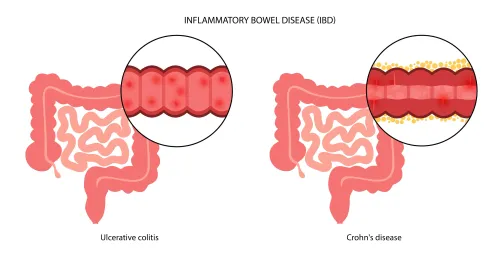
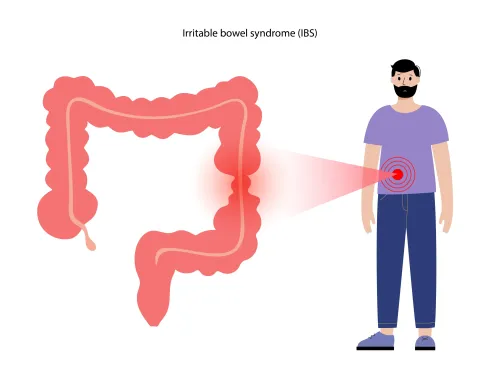
These foods are low-residue, anti-inflammatory, and may ease symptoms in patients with IBD, IBS, or dyspepsia.
Use of natural spices like jeera (cumin) and adrak (ginger) aid in gastric motility and reduce bloating.
3. Spirituality, Stress Reduction, and the Gut-Brain Axis
Devotional practices like bhajans, meditation, and prayer during Ram Navami reduce psychological stress.
Enhancing vagal tone and modulating the gut-brain axis.
Lowering cortisol levels, which can improve symptoms in functional GI disorders.
4. Mythology and Gut Wisdom
Lord Ram symbolizes balance and restraint—qualities essential for digestive discipline.
One can draw parallels between Ayurvedic concepts of Agni (digestive fire) and modern gut health.
Use this day as a way to encourage mindful eating, regularity, and moderation.
5. Gut-Friendly Traditional Recipes
Some dishes commonly consumed on Ram Navami:
Sabudana khichdi: Easily digestible carbs, gluten-free.
Fruit chaat with rock salt: Promotes digestion and hydration.
Panakam (a sweet-spiced drink): Contains jaggery, ginger, cardamom—good for digestion.
With every Indian festival, there's some connection with physical and mental well being as well..
1. Fasting and Gut Rest
Ram Navami is observed by many with a day-long fast or consuming phalahar (fruit-based or light sattvic meals).
Fasting may promote gut rest, modulate gut microbiota, and reduce inflammatory markers.
Periodic fasting has been linked to better insulin sensitivity and reduced gut permeability.
2. Sattvic Diet and Digestive Wellness
Foods eaten during Ram Navami—fruits, sabudana (tapioca), coconut, milk, ginger, and cumin—are traditionally light and easy to digest.
These foods are low-residue, anti-inflammatory, and may ease symptoms in patients with IBD, IBS, or dyspepsia.
Use of natural spices like jeera (cumin) and adrak (ginger) aid in gastric motility and reduce bloating.
3. Spirituality, Stress Reduction, and the Gut-Brain Axis
Devotional practices like bhajans, meditation, and prayer during Ram Navami reduce psychological stress.
Enhancing vagal tone and modulating the gut-brain axis.
Lowering cortisol levels, which can improve symptoms in functional GI disorders.
4. Mythology and Gut Wisdom
Lord Ram symbolizes balance and restraint—qualities essential for digestive discipline.
One can draw parallels between Ayurvedic concepts of Agni (digestive fire) and modern gut health.
Use this day as a way to encourage mindful eating, regularity, and moderation.
5. Gut-Friendly Traditional Recipes
Some dishes commonly consumed on Ram Navami:
Sabudana khichdi: Easily digestible carbs, gluten-free.
Fruit chaat with rock salt: Promotes digestion and hydration.
Panakam (a sweet-spiced drink): Contains jaggery, ginger, cardamom—good for digestion.
With every Indian festival, there's some connection with physical and mental well being as well..
Keywords