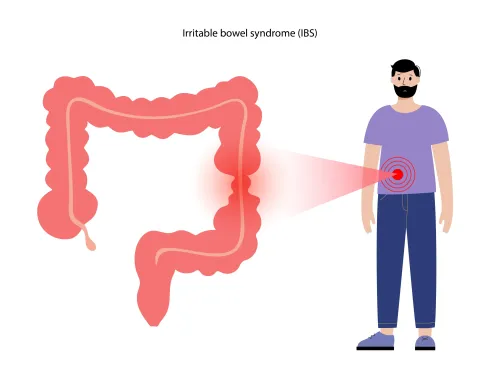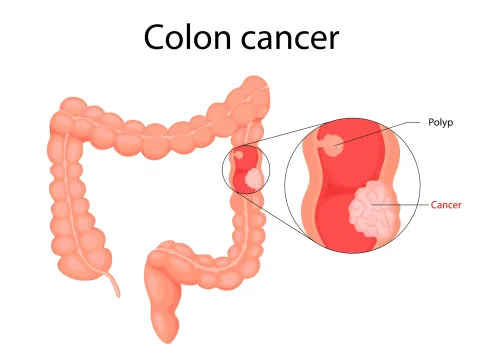
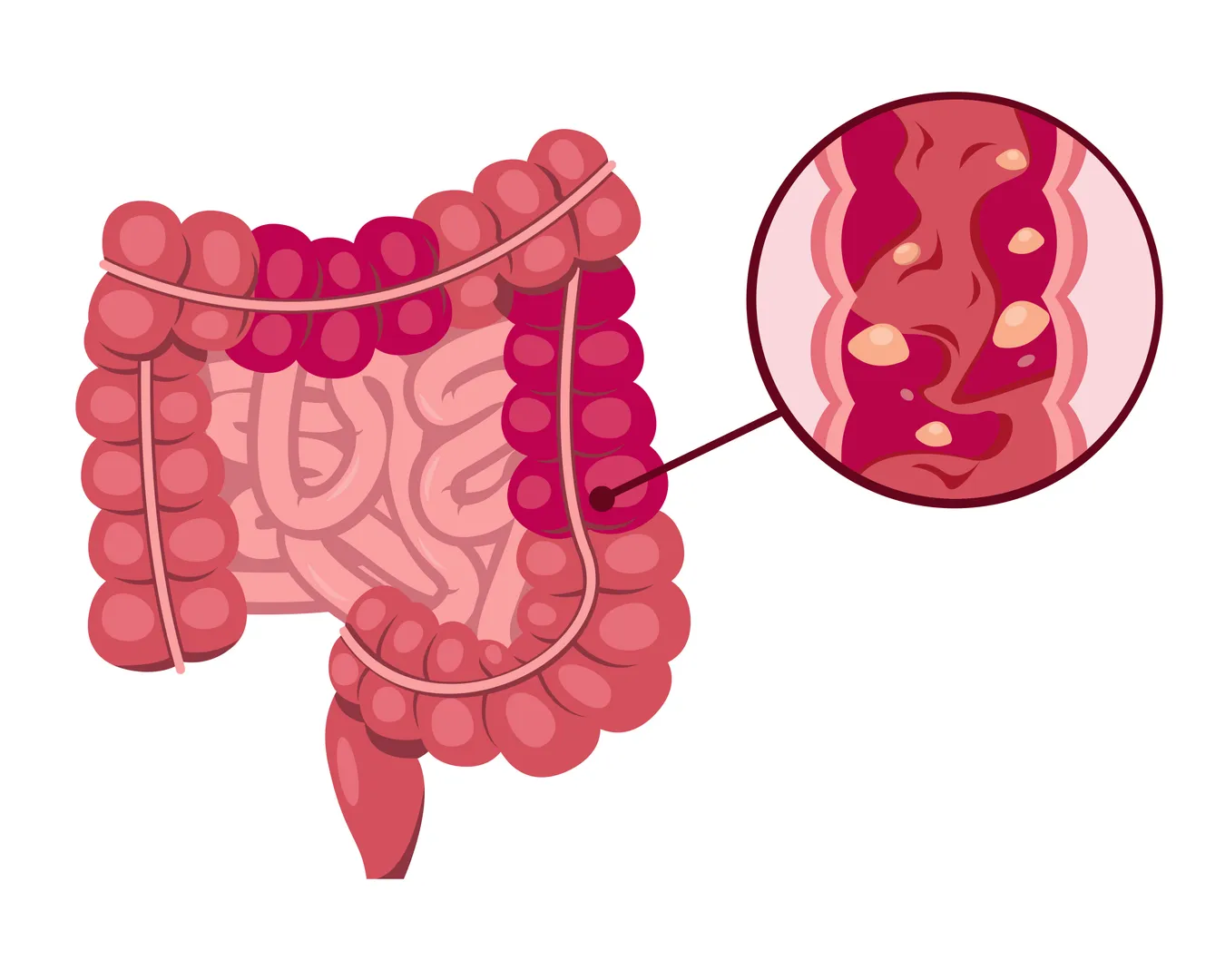
Inflammatory Bowel Disease (IBD) is a chronic condition that causes ongoing inflammation in the digestive tract. Although many people confuse it with occasional stomach infections or Irritable Bowel Syndrome (IBS), IBD is a different medical condition that requires timely diagnosis and long-term management. When left untreated, it can affect nutrition, energy levels, and overall quality of life.
In a busy city like Mumbai, where irregular eating habits, work-related stress, and changing lifestyles are common, digestive symptoms are often ignored until they become severe. Recognizing the early signs of IBD can help patients receive appropriate treatment before complications develop.
What Is Inflammatory Bowel Disease?
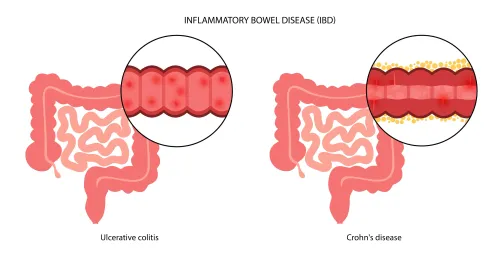
Inflammatory Bowel Disease is a group of conditions that cause chronic inflammation within the gastrointestinal tract. The two primary types are:
- Crohn's disease
- Ulcerative colitis
While both conditions involve inflammation, they affect different parts of the digestive system and require individualized treatment approaches.
Unlike temporary digestive infections, IBD is a lifelong condition that typically goes through periods of remission and flare-ups. With modern medical care, however, many patients are able to lead healthy and active lives.
Common Symptoms of IBD
The symptoms of Inflammatory Bowel Disease can vary from person to person. Some people experience mild discomfort, while others may develop severe digestive problems that interfere with daily life.
Common symptoms include:
- Persistent abdominal pain
- Frequent diarrhoea
- Blood in stools
- Urgent bowel movements
- Unexplained weight loss
- Loss of appetite
- Fatigue and weakness
- Fever during active inflammation
Some individuals may also experience joint pain, skin conditions, eye inflammation, or nutritional deficiencies because IBD can affect the body beyond the digestive tract.
Crohn's Disease and Ulcerative Colitis: Understanding the Difference
Although both conditions belong to IBD, there are important differences.
Crohn's Disease
Crohn's disease can affect any part of the digestive tract, from the mouth to the anus. The inflammation often extends through the entire thickness of the bowel wall and may occur in separate patches of healthy and inflamed tissue.
Patients may experience:
- Severe abdominal cramps
- Chronic diarrhoea
- Weight loss
- Fistulas
- Nutritional deficiencies
Ulcerative Colitis
Ulcerative colitis affects only the large intestine (colon) and rectum. The inflammation remains limited to the inner lining of the colon.
Typical symptoms include:
- Bloody diarrhoea
- Rectal bleeding
- Frequent urge to pass stools
- Lower abdominal discomfort
- Mucus in stools
Although the symptoms may appear similar, accurate diagnosis is essential because treatment plans differ.
Why Early Diagnosis Matters
Many people continue treating recurring digestive symptoms with over-the-counter medications. While these medicines may temporarily reduce discomfort, they do not address the underlying inflammation.
Delaying medical evaluation may increase the risk of:
- Intestinal narrowing
- Abscess formation
- Fistulas
- Severe nutritional deficiencies
- Colon damage
- Increased risk of colorectal cancer in long-standing disease
Early diagnosis allows inflammation to be controlled before permanent bowel damage occurs.
How Is IBD Diagnosed?
A gastroenterologist evaluates symptoms, medical history, and performs specialized investigations to confirm the diagnosis.
Investigations may include:
- Blood tests
- Stool examinations
- Colonoscopy
- Endoscopy
- CT or MRI imaging
- Biopsy of intestinal tissue
Each test provides valuable information about the severity and extent of inflammation.
Patients in Mumbai often benefit from consulting specialists who routinely manage complex digestive disorders and can recommend the most appropriate investigations based on individual symptoms.
Modern Treatment Options for IBD
Treatment has advanced significantly over the past decade. Instead of only controlling symptoms, newer therapies aim to reduce inflammation, prevent complications, and maintain long-term remission.
Depending on disease severity, treatment may include:
- Anti-inflammatory medicines
- Immune-modifying medications
- Nutritional support
- Lifestyle guidance
- Biological therapies
- Surgery in selected cases
The treatment plan varies for every patient and is regularly reviewed based on response and disease activity.
Lifestyle Changes That Support Medical Treatment
Medication works best when combined with healthy daily habits.
Patients are often advised to:
- Eat balanced, easily digestible meals
- Stay well hydrated
- Avoid smoking
- Manage stress effectively
- Maintain regular follow-up appointments
- Avoid stopping medicines without medical advice
Keeping a symptom diary can also help identify dietary triggers and monitor disease patterns.
When Should You Consult a Gastroenterologist?
You should not ignore digestive symptoms that persist for several weeks, especially if they are accompanied by weight loss or bleeding.
Seek specialist evaluation if you experience:
- Chronic diarrhoea lasting more than two weeks
- Blood in stools
- Persistent abdominal pain
- Recurrent fever with digestive symptoms
- Unexplained weight loss
- Family history of IBD
- Ongoing fatigue with bowel changes
Timely consultation can help prevent complications and improve long-term outcomes.
For individuals looking for expert digestive care in Mumbai, Dr. Harshad Joshi provides comprehensive evaluation and evidence-based management for Inflammatory Bowel Disease. Through personalized treatment plans, careful monitoring, and patient education, the specialist helps individuals manage Crohn's disease, ulcerative colitis, and other complex gastrointestinal conditions with a focus on improving long-term digestive health.