

Digestive problems such as bloating, abdominal discomfort, irregular bowel movements, and fatigue are often blamed on stress or unhealthy eating habits. While these symptoms are common, they can also point to underlying medical conditions that require very different treatments. Two conditions that are frequently confused are Celiac disease and Irritable Bowel Syndrome (IBS).
Although both can cause ongoing digestive symptoms, they are not the same. Celiac disease is an autoimmune disorder that damages the small intestine, while IBS is a functional gastrointestinal disorder that affects bowel function without causing permanent intestinal injury. Understanding the differences can help patients seek the right diagnosis and avoid unnecessary delays in treatment.
What Is Celiac Disease?
Celiac disease is an autoimmune condition triggered by the consumption of gluten, a protein found in wheat, barley, and rye.
When a person with Celiac disease eats gluten, the immune system attacks the lining of the small intestine. Over time, this damages the tiny finger-like structures called villi that absorb nutrients from food.
As a result, patients may develop nutritional deficiencies, digestive symptoms, and a variety of health complications if the condition remains untreated.
What Is IBS?
Irritable Bowel Syndrome is a long-term disorder that affects how the digestive system functions. Unlike Celiac disease, IBS does not damage the intestine or increase the risk of intestinal cancer.
People with IBS may experience:
- Abdominal pain
- Bloating
- Constipation
- Diarrhoea
- Alternating constipation and diarrhoea
- Relief of pain after passing stools
Symptoms often worsen during periods of stress or after consuming certain foods.
Symptoms That Overlap
Because many symptoms are similar, distinguishing between Celiac disease and IBS based on symptoms alone can be difficult.
Common symptoms seen in both conditions include:
- Bloating
- Abdominal discomfort
- Loose stools
- Constipation
- Excessive gas
- Fatigue
This overlap is one reason why many patients are initially misdiagnosed or experience delays before receiving the correct treatment.
Signs That May Suggest Celiac Disease
Certain symptoms are more commonly associated with Celiac disease because of poor nutrient absorption.
These include:
- Unexplained weight loss
- Iron deficiency anaemia
- Vitamin deficiencies
- Persistent diarrhoea
- Chronic fatigue
- Bone weakness due to calcium deficiency
- Delayed growth in children
- Skin rash known as dermatitis herpetiformis
Patients may also have a family history of autoimmune diseases.
Features More Common in IBS
IBS symptoms tend to fluctuate and are often influenced by lifestyle factors.
Typical features include:
- Symptoms related to stress
- Pain that improves after a bowel movement
- No intestinal bleeding
- Normal blood investigations
- No weight loss
- No intestinal damage on endoscopy
Although IBS can significantly affect quality of life, it does not cause the intestinal inflammation seen in Celiac disease.
How Is Celiac Disease Diagnosed?
A gastroenterologist may recommend several investigations if Celiac disease is suspected.
These commonly include:
- Blood tests for specific antibodies
- Upper gastrointestinal endoscopy
- Biopsy of the small intestine
It is important not to stop eating gluten before testing, as this can affect the accuracy of the results.
Why Self-Diagnosis Can Be Misleading
Many people begin a gluten-free diet after reading online articles or following social media advice. While some may notice temporary improvement, eliminating gluten before medical evaluation can make diagnosing Celiac disease much more difficult.
Similarly, assuming that all digestive symptoms are due to IBS may delay the diagnosis of conditions such as:
- Celiac disease
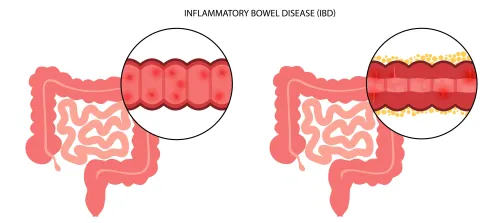
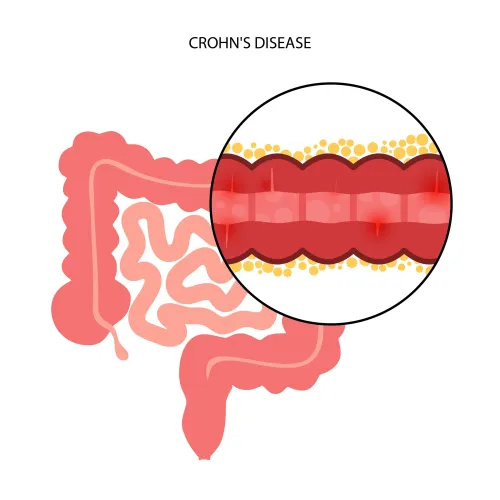
- Crohn's disease
- Ulcerative colitis
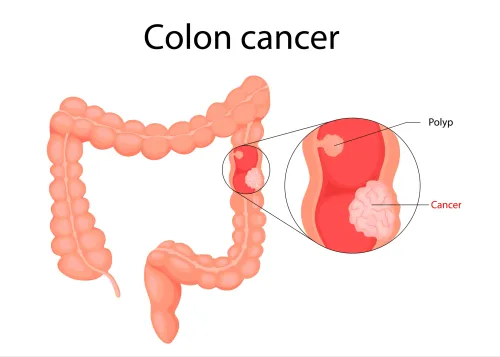
- Colon cancer
- Microscopic colitis
Professional evaluation ensures that the correct condition is identified and treated appropriately.
Treatment Approaches Differ
The management of these two conditions is very different.
For Celiac disease, treatment involves:
- A strict lifelong gluten-free diet
- Nutritional assessment
- Vitamin supplementation when required
- Regular follow-up to monitor recovery
For IBS, treatment may include:
- Dietary modifications
- Stress management
- Lifestyle changes
- Medications to relieve symptoms
- Individualized nutritional advice
Because the treatment plans are completely different, obtaining an accurate diagnosis is essential.
When Should You Consult a Gastroenterologist?
Persistent digestive symptoms should never be ignored, especially if they interfere with your daily routine or continue despite dietary changes.
Seek specialist advice if you experience:
- Ongoing diarrhoea or constipation
- Unexplained weight loss
- Persistent bloating
- Iron deficiency anaemia
- Blood in the stool
- Long-term abdominal pain
- A family history of Celiac disease or other digestive disorders
For patients in Mumbai experiencing chronic digestive symptoms, Dr. Harshad Joshi offers comprehensive evaluation for Celiac disease, IBS, and other gastrointestinal conditions. Through advanced diagnostic testing, careful clinical assessment, and individualized treatment plans, the specialist helps patients identify the true cause of their symptoms and receive evidence-based care for lasting digestive health.