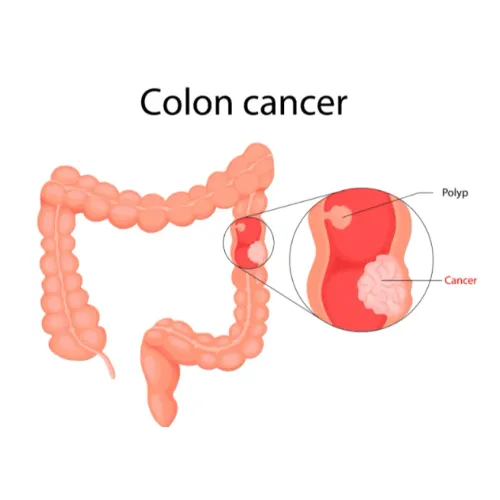
Colon cancer is one of the most preventable forms of cancer when detected early. In many cases, it develops gradually from small growths known as colonic polyps, which may not cause symptoms for years. Regular colon cancer screening helps identify these polyps before they become cancerous and also allows cancer to be diagnosed at an early stage when treatment is most effective.
Many people believe screening is only necessary after symptoms appear. In reality, the greatest benefit comes from testing before any warning signs develop. For adults in Mumbai, understanding when to begin screening and who may need it earlier can play a significant role in protecting long-term digestive health.
What Is Colon Cancer Screening?
Colon cancer screening refers to tests that look for abnormal changes in the large intestine before symptoms occur. The primary objective is to detect precancerous growths or identify cancer at an early, treatable stage.
Among the available screening methods, colonoscopy remains the gold standard because it allows doctors to examine the entire colon and remove suspicious polyps during the same procedure.
Unlike diagnostic testing, which is performed after symptoms appear, screening is recommended even for individuals who feel completely healthy.
What Are Colonic Polyps?
Colonic polyps are small growths that develop on the inner lining of the colon. Most polyps are non-cancerous, but certain types have the potential to develop into colorectal cancer over time.
Polyps usually grow slowly and rarely cause noticeable symptoms in their early stages. This is why they are often discovered during routine colonoscopy.
Removing polyps before they become cancerous is one of the most effective ways to reduce the risk of colon cancer.
Who Should Consider Colon Cancer Screening?
Screening recommendations vary depending on age, family history, and individual risk factors.
You may benefit from screening if you:
- Are 45 years of age or older
- Have a family history of colon cancer
- Have previously been diagnosed with colonic polyps
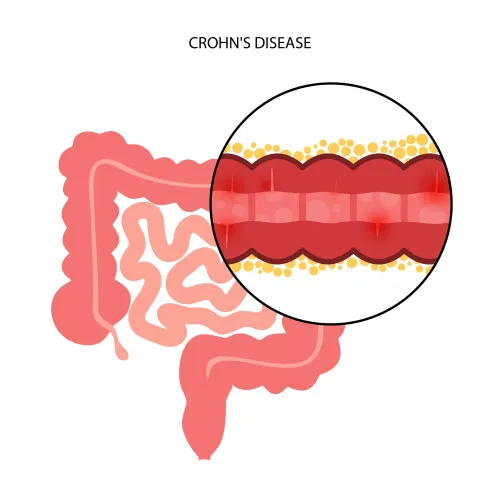
- Have Crohn's disease or ulcerative colitis involving the colon
- Have a family history of hereditary colorectal cancer syndromes
- Experience persistent changes in bowel habits
- Have unexplained iron deficiency anaemia
Individuals with higher risk factors may need to begin screening earlier than the general population.
Symptoms That Should Never Be Ignored
Although screening is intended for people without symptoms, certain warning signs require prompt medical evaluation rather than waiting for routine testing.
Consult a gastroenterologist if you notice:
- Blood in the stool
- Persistent constipation or diarrhoea
- Narrow stools lasting several weeks
- Unexplained weight loss
- Ongoing abdominal discomfort
- Fatigue due to anaemia
- Feeling that the bowel does not empty completely
These symptoms do not always indicate cancer, but they should always be investigated.
Why Colonoscopy Is the Preferred Screening Test
Several screening tests are available, but colonoscopy offers unique advantages because it is both diagnostic and therapeutic.
During a colonoscopy, the doctor can:
- Examine the entire large intestine
- Detect small polyps
- Remove polyps immediately
- Collect biopsies from abnormal areas
- Identify early cancers
- Evaluate inflammation in patients with IBD
This ability to diagnose and treat during the same procedure makes colonoscopy one of the most effective screening tools available.
Preparing for a Colonoscopy
Proper bowel preparation is essential for accurate results. A clean colon allows the doctor to clearly identify even very small polyps.
Preparation generally includes:
- Following a prescribed low-fibre or clear-liquid diet before the procedure
- Taking bowel-cleansing medication as instructed
- Avoiding certain medications if advised by your doctor
- Arranging transportation after sedation
Carefully following preparation instructions improves the quality of the examination and reduces the need for repeat procedures.
How Often Should Screening Be Done?
The recommended screening interval depends on the findings of the previous colonoscopy and the individual's risk profile.
For many average-risk adults with a normal colonoscopy, repeat screening may not be needed for several years. However, patients with:
- Colonic polyps
- Family history of colorectal cancer
- Inflammatory Bowel Disease
- Hereditary cancer syndromes
may require more frequent surveillance based on their gastroenterologist's recommendations.
Can Colon Cancer Be Prevented?
While no method can eliminate risk entirely, several lifestyle habits may help reduce the likelihood of developing colorectal cancer.
These include:
- Eating a fibre-rich diet
- Maintaining a healthy body weight
- Exercising regularly
- Avoiding smoking
- Limiting alcohol consumption
- Managing chronic digestive diseases appropriately
- Attending recommended screening appointments
Combining healthy habits with timely screening offers the best protection.
The Value of Early Detection
One of the biggest advantages of colon cancer screening is that it identifies problems before they become serious. Detecting and removing colonic polyps early can prevent cancer from developing, while identifying colorectal cancer in its initial stages often leads to more effective treatment and improved outcomes.
For adults in Mumbai seeking expert digestive care, Dr. Harshad Joshi provides comprehensive evaluation, colonoscopy services, and personalized colon cancer screening based on individual risk factors. Through early detection, careful monitoring, and evidence-based management, patients receive the guidance needed to protect their digestive health and reduce the long-term risk of colorectal cancer.
Keywords