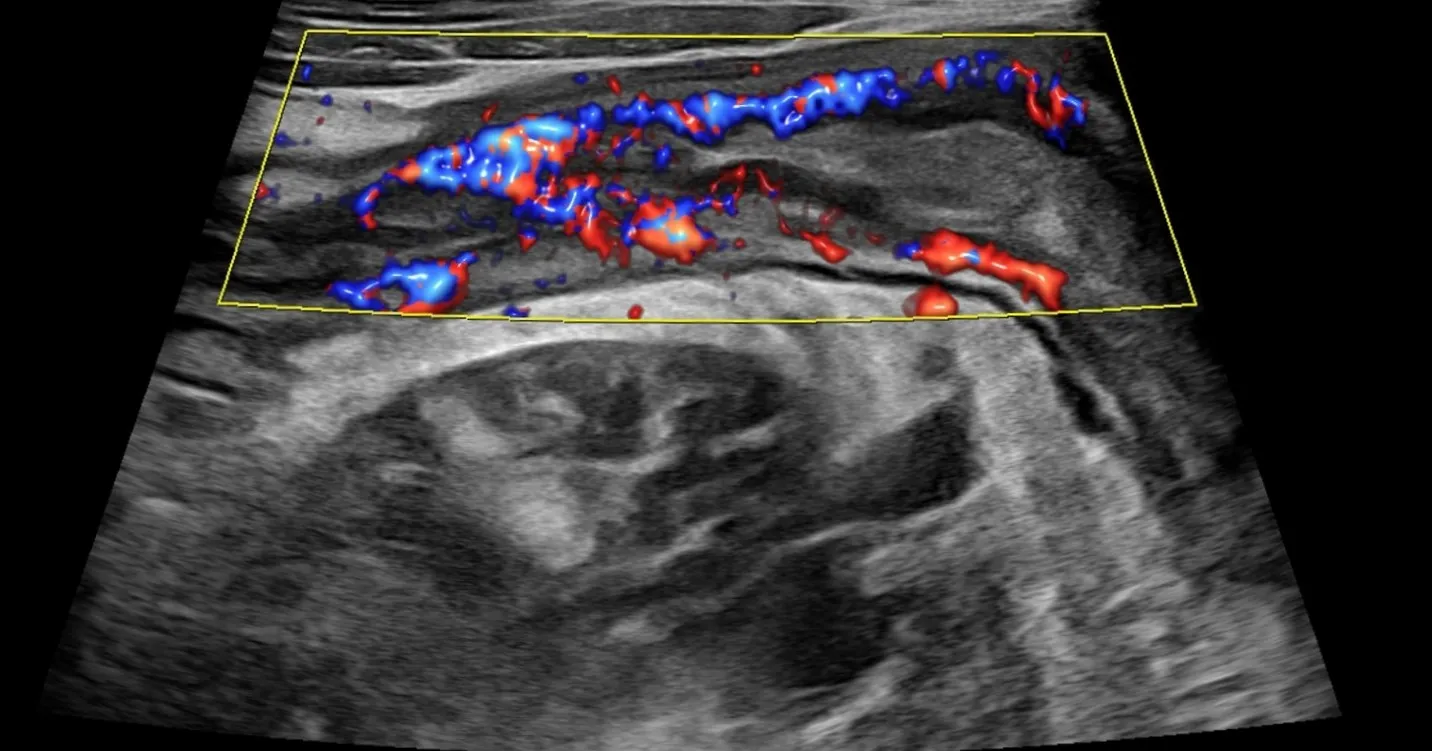
Intestinal ultrasound (IUS)
Bowel ultrasound is increasingly recognized as a valuable, non-invasive tool in gastroenterology. Here are some key indications for its use:
1. Inflammatory Bowel Disease (IBD):
* Diagnosis:
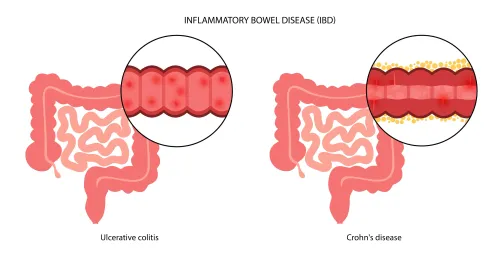
* It can help detect and characterize IBD, including Crohn's disease and ulcerative colitis.
* It assesses bowel wall thickness, stratification, and vascularity, which are crucial markers of inflammation.
* Monitoring Disease Activity:
* It allows for repeated, radiation-free assessment of disease activity, helping to guide treatment decisions.
* It can detect complications such as strictures, fistulas, and abscesses.
* Post-operative Monitoring:
* It can be used to monitor for recurrence of Crohn's disease after surgery.
2. Other Gastroenterological Conditions:
* Diverticulitis:
* It can aid in the diagnosis and assessment of diverticulitis.
* Appendicitis:
* While often assessed with general abdominal ultrasound, bowel ultrasound techniques can provide further detail.
* Functional Bowel Disorders:
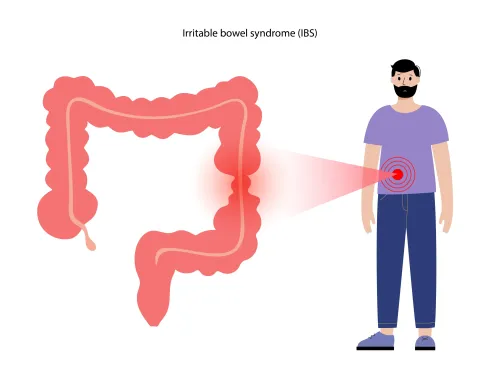
* While not a primary diagnostic tool, it can help rule out structural abnormalities in patients with functional bowel symptoms.
* Pediatric population - very useful tool in ruling out other causes in unexplained abdominal pain
Key Advantages of Bowel Ultrasound:
* Non-invasive: It avoids radiation exposure, making it suitable for repeated examinations.
* Well-tolerated: It is generally a comfortable procedure for patients.
* Real-time assessment: It provides immediate information, allowing for prompt clinical decision-making.
* Cost-effective: Compared to other imaging modalities like CT or MRI, it is often more affordable.
Feel free to DM for any questions / if I can be of any help.
Dr Harshad Joshi
IBD specialist
#intestinalultrasound #IUS #CROHNS #COLITIS #UC #NONINVASIVE
Bowel ultrasound is increasingly recognized as a valuable, non-invasive tool in gastroenterology. Here are some key indications for its use:
1. Inflammatory Bowel Disease (IBD):
* Diagnosis:
* It can help detect and characterize IBD, including Crohn's disease and ulcerative colitis.
* It assesses bowel wall thickness, stratification, and vascularity, which are crucial markers of inflammation.
* Monitoring Disease Activity:
* It allows for repeated, radiation-free assessment of disease activity, helping to guide treatment decisions.
* It can detect complications such as strictures, fistulas, and abscesses.
* Post-operative Monitoring:
* It can be used to monitor for recurrence of Crohn's disease after surgery.
2. Other Gastroenterological Conditions:
* Diverticulitis:
* It can aid in the diagnosis and assessment of diverticulitis.
* Appendicitis:
* While often assessed with general abdominal ultrasound, bowel ultrasound techniques can provide further detail.
* Functional Bowel Disorders:
* While not a primary diagnostic tool, it can help rule out structural abnormalities in patients with functional bowel symptoms.
* Pediatric population - very useful tool in ruling out other causes in unexplained abdominal pain
Key Advantages of Bowel Ultrasound:
* Non-invasive: It avoids radiation exposure, making it suitable for repeated examinations.
* Well-tolerated: It is generally a comfortable procedure for patients.
* Real-time assessment: It provides immediate information, allowing for prompt clinical decision-making.
* Cost-effective: Compared to other imaging modalities like CT or MRI, it is often more affordable.
Feel free to DM for any questions / if I can be of any help.
Dr Harshad Joshi
IBD specialist
#intestinalultrasound #IUS #CROHNS #COLITIS #UC #NONINVASIVE
Keywords