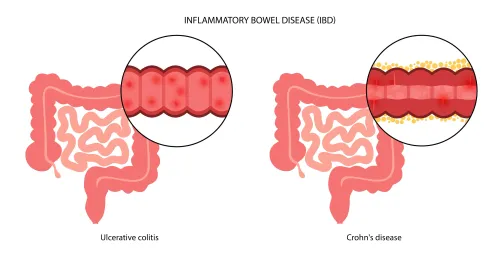

Crohn's disease is a chronic inflammatory condition that affects the digestive tract and belongs to a group of disorders known as Inflammatory Bowel Disease (IBD). While it can develop at any age, it is often diagnosed in young adults and may continue throughout life with periods of remission and flare-ups. Understanding the condition early can help patients receive timely treatment, reduce complications, and maintain a good quality of life.
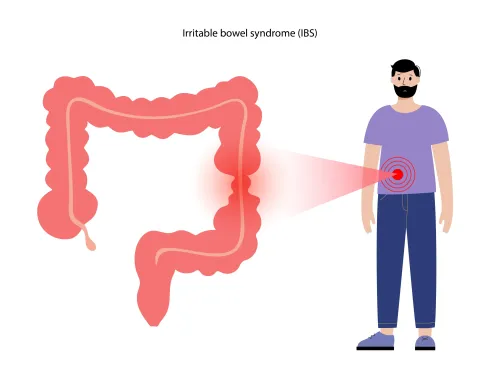
Many people in Mumbai dismiss recurring digestive discomfort as acidity or food intolerance. However, when abdominal pain, chronic diarrhoea, or unexplained weight loss become persistent, they may indicate a more serious condition such as Crohn's disease that requires specialist evaluation.
What Is Crohn's Disease?
Crohn's disease causes inflammation anywhere along the digestive tract, from the mouth to the anus. Most commonly, it affects the end of the small intestine and the beginning of the large intestine. Unlike some digestive disorders that affect only the inner lining of the bowel, Crohn's disease can involve the entire thickness of the intestinal wall.
The condition is autoimmune in nature, meaning the body's immune system mistakenly attacks healthy tissues in the digestive tract, leading to chronic inflammation.
Although there is currently no permanent cure, modern treatment can effectively control inflammation, reduce symptoms, and help patients enjoy an active lifestyle.
What Causes Crohn's Disease?
The exact cause of Crohn's disease remains unknown, but researchers believe several factors contribute to its development.
These include:
- Genetic predisposition
- An overactive immune response
- Environmental triggers
- Changes in gut bacteria
- Smoking, which increases disease severity
- Certain lifestyle and dietary factors
Having a family history of IBD may increase the likelihood of developing the condition, although many patients have no known family history.
Common Symptoms of Crohn's Disease
Symptoms vary depending on the location and severity of inflammation. Some patients experience mild discomfort, while others may have severe episodes requiring hospitalization.
Typical symptoms include:
- Persistent abdominal pain
- Chronic diarrhoea
- Blood in stools
- Weight loss
- Fatigue
- Reduced appetite
- Fever during active inflammation
- Urgent bowel movements
In some cases, Crohn's disease may also affect areas outside the digestive tract, leading to:
- Joint pain
- Skin rashes
- Eye inflammation
- Mouth ulcers
- Nutritional deficiencies
Because symptoms often resemble other gastrointestinal disorders, professional diagnosis is essential.
How Is Crohn's Disease Diagnosed?
There is no single test that confirms Crohn's disease. A gastroenterologist usually combines clinical evaluation with laboratory and imaging investigations.
Common diagnostic tests include:
- Blood tests to check for inflammation and anaemia
- Stool tests to rule out infections
- Colonoscopy with biopsy
- Upper gastrointestinal endoscopy when required
- CT enterography or MRI enterography
- Capsule endoscopy in selected cases
These investigations help determine the location, severity, and extent of intestinal inflammation while excluding other digestive disorders.
Potential Complications If Left Untreated
Ignoring Crohn's disease can lead to progressive bowel damage and other serious health issues.
Possible complications include:
- Intestinal strictures
- Fistulas
- Abscess formation
- Malnutrition
- Vitamin and mineral deficiencies
- Intestinal obstruction
- Increased need for surgery
Early diagnosis and regular follow-up significantly reduce the risk of these complications.
Treatment Options for Crohn's Disease
Treatment is tailored according to the severity of the disease, the affected portion of the digestive tract, and the patient's overall health.
Management may include:
- Anti-inflammatory medications
- Immunosuppressive drugs
- Nutritional therapy
- Biological therapies for moderate to severe disease
- Surgical treatment when complications arise
The goal of treatment is not only to relieve symptoms but also to heal the intestinal lining, prevent flare-ups, and maintain long-term remission.
Living Well with Crohn's Disease
Although Crohn's disease is a lifelong condition, many people successfully manage it through medical treatment and healthy lifestyle habits.
Helpful measures include:
- Eating smaller, balanced meals
- Staying hydrated
- Avoiding smoking
- Managing stress effectively
- Keeping a food and symptom diary
- Taking medications exactly as prescribed
- Attending regular follow-up appointments
Patients should also discuss vaccinations, nutritional supplements, and routine health monitoring with their gastroenterologist.
When Should You Seek Medical Advice?
Do not ignore digestive symptoms that continue for several weeks or repeatedly return after treatment.
Consult a gastroenterologist if you experience:
- Diarrhoea lasting more than two weeks
- Blood or mucus in stools
- Persistent abdominal pain
- Sudden unexplained weight loss
- Fever with digestive symptoms
- Ongoing fatigue without an obvious cause
- Family history of Crohn's disease or other forms of IBD
Seeking medical attention early can improve treatment outcomes and reduce the risk of long-term complications.
For individuals seeking comprehensive digestive care in Mumbai, Dr. Harshad Joshi offers expert evaluation and personalized management for Crohn's disease and other gastrointestinal disorders. By combining advanced diagnostic techniques with evidence-based treatment plans, the specialist focuses on controlling inflammation, preventing complications, and helping patients achieve better digestive health and an improved quality of life.
Keywords