Endoscopic Ultrasound (EUS)
Patient Information: Endoscopic Ultrasound (EUS)
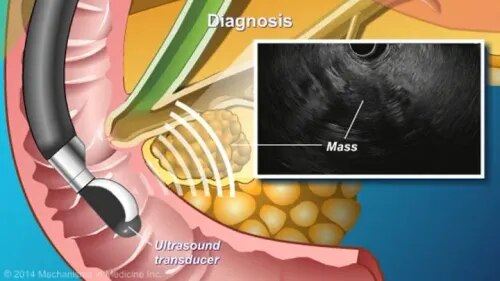
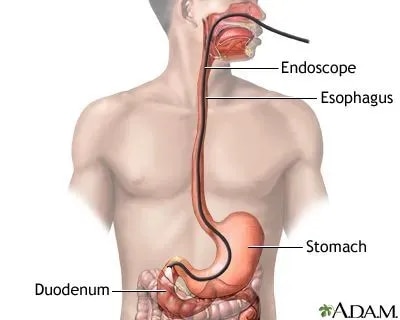
What is Endoscopic Ultrasound (EUS)? Endoscopic Ultrasound (EUS) is a minimally invasive procedure that combines endoscopy and ultrasound to examine the digestive tract and nearby organs. It provides detailed images of the esophagus, stomach, pancreas, liver, bile ducts, and lymph nodes.
Why is EUS Performed? Your doctor may recommend EUS for various reasons, including:
Evaluating abnormal findings from other imaging tests (e.g., CT, MRI)
Diagnosing and staging cancers of the digestive tract, pancreas, or nearby organs
Assessing unexplained abdominal pain or weight loss
Examining cysts, tumors, or lesions
Guiding fine-needle aspiration (FNA) to obtain tissue samples for biopsy
Evaluating chronic conditions such as pancreatitis
How to Prepare for EUS?
Fasting: Do not eat or drink anything for at least 6–8 hours before the procedure.
Medications: Inform your doctor about any medications, especially blood thinners or diabetes medications.
Allergies: Inform your doctor about any allergies, particularly to anesthesia or sedatives.
Medical History: Share any past surgeries, medical conditions, or concerns with your doctor.
What Happens During the Procedure?
You will receive sedation or anesthesia to keep you comfortable.
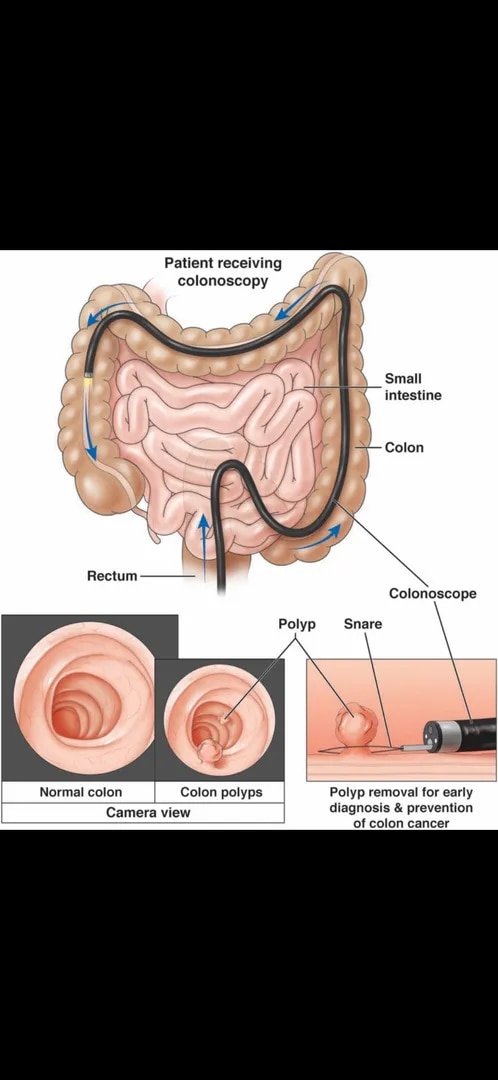
The doctor will insert a thin, flexible tube (endoscope) with an ultrasound probe through your mouth or rectum, depending on the area being examined.
The ultrasound probe captures high-resolution images of the digestive organs.
If needed, a fine needle may be used to collect tissue samples for further analysis.
The procedure typically takes 30–60 minutes.
What to Expect After EUS?
You may feel mild throat discomfort or bloating, which usually resolves quickly.
If you received sedation, you may feel drowsy, so arrange for someone to take you home.
Most patients resume normal activities the next day.
Your doctor will discuss any findings and next steps after the procedure.
Are There Any Risks? EUS is generally safe, but potential risks include:
Mild discomfort in the throat or abdomen
Rare complications such as bleeding or infection (more likely if a biopsy is taken)
Temporary changes in blood pressure or heart rate due to sedation
When to Contact Your Doctor? Seek medical attention if you experience:
Severe abdominal pain
Persistent vomiting or difficulty swallowing
Fever or signs of infection
Bleeding from the throat or rectum
Conclusion Endoscopic Ultrasound is a valuable diagnostic tool that provides detailed images and helps guide treatment decisions. If you have any concerns or questions, discuss them with your doctor before the procedure.