Celiac disease can affect the intestine, skin, blood, bones, nervous system and growth, so digestive symptoms alone do not tell you whether it is the cause. You will learn which symptom patterns warrant testing, how to avoid a misleading result, and what a gluten-free diet can and cannot prove after diagnosis.
Key takeaways
- Keep eating gluten until celiac testing is complete.
- Positive blood tests often require an upper endoscopy and small-bowel biopsy.
- A gluten-free diet prevents intestinal damage after confirmed celiac disease.
- Persistent symptoms require checks for hidden gluten and other conditions.
Which symptoms point to celiac disease, and which suggest another condition?
Celiac disease symptoms can affect the gut and organs beyond it. Diarrhoea, constipation, bloating, abdominal pain and weight loss symptoms may occur with fatigue, iron-deficiency anaemia, aphthous mouth ulcers, abnormal liver enzymes, infertility, low bone density or osteoporosis, neuropathy, or dermatitis herpetiformis—the itchy, blistering rash linked to celiac disease.
Few or no digestive symptoms do not exclude it.
| Condition | Clues that point toward it |
|---|---|
| Celiac disease | Persistent or recurring symptoms plus anaemia, bone loss, neuropathy, mouth ulcers, infertility, abnormal liver enzymes or dermatitis herpetiformis |
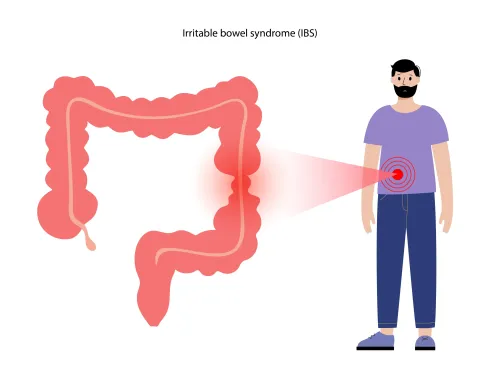
| Irritable bowel syndrome | Abdominal pain with altered bowel habits, often linked to defecation, without anaemia, intestinal inflammation or nutrient deficiencies |
| Lactose intolerance | Bloating, cramps, gas or diarrhoea after dairy; symptoms do not indicate gluten-related intestinal injury |
| Inflammatory bowel disease | Bloody diarrhoea, persistent fever, marked inflammation, nighttime symptoms or significant weight loss |
| Wheat allergy | Immediate hives, swelling, wheezing or vomiting after wheat exposure |
| Non-celiac gluten sensitivity | Gluten-attributed symptoms after celiac disease and wheat allergy evaluation, without celiac antibodies or biopsy findings |
Children may show poor growth, delayed puberty, irritability, constipation or permanent-looking defects in tooth enamel instead of classic diarrhoea. Symptoms blamed on gluten require testing rather than self-diagnosis: non-celiac gluten sensitivity has no validated blood test or equivalent biopsy finding, and fermentable carbohydrates or another condition may be responsible.
What should you do before celiac disease testing?
Do not start a gluten-free diet before celiac disease testing unless a clinician tells you to. Removing gluten can lower celiac-specific antibody levels and allow intestinal damage to heal, making both a celiac disease blood test and duodenal biopsies falsely reassuring.
Testing is most reliable while you are still eating gluten. If you have already stopped, do not restart gluten independently when symptoms are severe or a clinician has identified a risk; ask a gastroenterologist for an individualized plan.
1. Ask for tissue transglutaminase IgA, or tTG-IgA, together with total IgA. This is the usual first-line blood-test strategy.
2. Check the total IgA result. IgA deficiency can make IgA-based testing miss celiac disease, so an IgG-based test such as IgG deamidated gliadin peptide or IgG tissue transglutaminase is used when deficiency is found.
3. Discuss an endomysial antibody test if tTG-IgA is positive, unclear or needs confirmation. It is highly specific, but a negative result must be read alongside the tTG-IgA level, total IgA and your clinical suspicion.
4. If you have reduced gluten exposure, ask whether a medically supervised gluten challenge is needed before repeat blood tests or biopsy. The amount and duration are not a universal home recipe; the gastroenterologist should set them according to your previous restriction, symptoms, age, risks and planned tests.
How is celiac disease confirmed when blood tests are positive or negative?
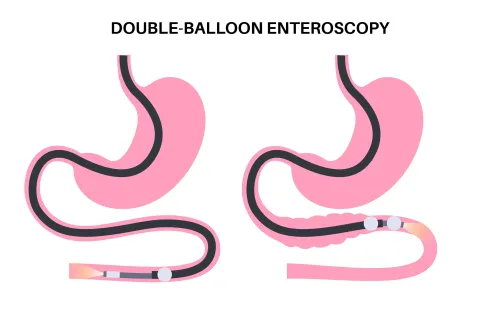
A positive antibody result supports celiac disease diagnosis, but it rarely completes an adult diagnosis. In most adults, a gastroenterologist confirms it with upper endoscopy and multiple duodenal biopsies: intestinal injury can be patchy, so one sample can miss it.
A negative blood test does not end the investigation when symptoms, nutrient deficiencies or examination findings keep suspicion high. False negatives occur with:
- IgA deficiency, which can make IgA-based tests falsely reassuring
- Limited gluten exposure before testing
- Mild or patchy intestinal disease
- Immunosuppressive illness or treatment
Persistent suspicion warrants specialist review and sometimes a duodenal biopsy, rather than a home gluten-free diet experiment. If you stopped gluten before testing, a gastroenterologist can decide whether an individualized gluten challenge is safe and how it should be monitored.
HLA-DQ2 and HLA-DQ8 testing mainly rules celiac disease out. Absence of both makes celiac disease very unlikely; presence of either does not diagnose it because many unaffected people carry these genetic markers.
For an itchy blistering rash, dermatitis herpetiformis diagnosis requires a skin biopsy examined with direct immunofluorescence. A gastroenterology consultation with Dr. Harshad Joshi can coordinate antibody interpretation, endoscopic biopsy decisions and a gluten-challenge plan for patients in Mumbai.
Related service
Endoscopy Gastroscopy ₹9000 Examination of ESOPHAGUS, STOMACH, DUODENUM • Painless: Done under mild sedation • SAFE: in experienced hands. USES: 1. |
What does a gluten-free diet do after celiac disease is confirmed?
A strict gluten-free diet for celiac disease is the established lifelong treatment, even after symptoms disappear. Avoid wheat, barley and rye, including foods exposed to gluten cross-contact through shared toasters, chopping boards, sieves, frying oil or food-preparation surfaces. One crumb or a reused pan can trigger injury without appearing on the ingredient label.
- Check packaged foods for gluten-containing ingredients and use separate preparation equipment when needed.
- Treat gluten-free oats as a monitored food. Naturally gluten-free oats are tolerated by most people, but products are frequently contaminated with wheat, barley or rye, and a minority of patients react to oat proteins. Choose uncontaminated products and discuss their introduction with your clinician or dietitian.
- Replace nutrients deliberately rather than assuming every gluten-free product is equivalent to fortified wheat food. Standard gluten-free replacements can provide less fibre, iron, folate, thiamine, calcium and vitamin D.
Feeling better does not prove that intestinal injury has healed. Follow-up blood tests and, when indicated, further assessment help determine whether treatment is working. A dietitian review can identify better food substitutions, while laboratory-guided replacement is safer than taking several supplements without checking for deficiency.
What if symptoms continue on a gluten-free diet?
Symptoms that continue after a gluten-free diet do not automatically mean the diet has failed or that the celiac disease diagnosis was wrong. Celiac disease follow-up must assess healing and other causes, not symptom relief alone.
- Repeat celiac serology, usually tissue transglutaminase IgA with total IgA, and review accidental exposure from shared toasters, preparation surfaces, sauces or contaminated foods. Normalized antibodies support reduced gluten exposure but do not prove complete recovery of the intestinal lining.
- Check nutritional deficiencies, including iron, folate, vitamin B12, vitamin D and calcium, then consider bone health. A bone-density scan may be appropriate when there is prolonged disease, low-trauma fracture, low bone mass or other risk.
- Investigate persistent diarrhoea, bloating, abdominal pain, constipation or fatigue. Possible explanations include lactose or fructose intolerance, irritable bowel syndrome, small-intestinal bacterial overgrowth, microscopic colitis, pancreatic insufficiency, inadvertent gluten exposure or another gastrointestinal disease.
Non-celiac gluten sensitivity has no validated blood test and no biopsy finding equivalent to celiac disease. Consider it only after celiac disease and wheat allergy have been assessed; symptoms may come from other wheat components or fermentable carbohydrates rather than celiac autoimmunity.
If you stopped gluten before testing, do not restart it independently when symptoms are severe or a clinician has identified a risk. Arrange an individualized, medically supervised plan for repeat serology or biopsy instead.
Frequently asked questions
Which symptoms point to celiac disease, and which suggest another condition?
Diarrhoea, constipation, bloating, abdominal pain, weight loss, fatigue, iron-deficiency anaemia, mouth ulcers, abnormal liver enzymes, low bone density, neuropathy and dermatitis herpetiformis can point to celiac disease. Isolated symptoms also occur with irritable bowel syndrome, inflammatory bowel disease, lactose intolerance and other conditions, so testing is needed.
What should you do before celiac disease testing?
Keep eating your usual gluten-containing diet until testing is complete. Starting a gluten-free diet first can reduce antibody levels and make blood tests or biopsy results harder to interpret. Tell your clinician about any prior gluten restriction and family history of celiac disease.
How is celiac disease confirmed when blood tests are positive or negative?
Testing usually starts with tissue transglutaminase immunoglobulin A, or tTG-IgA, alongside a total IgA level. Positive results often lead to an upper endoscopy with small-bowel biopsies. A negative result does not exclude celiac disease when IgA deficiency, limited gluten intake or strong clinical suspicion is present; your clinician may order IgG-based tests, repeat testing or endoscopy.
What does a gluten-free diet do after celiac disease is confirmed?
A strict gluten-free diet removes wheat, barley and rye, allowing the small-intestinal lining to heal and reducing complications. Read labels, prevent cross-contact, check medicines and supplements, and work with a dietitian to maintain fibre, iron, calcium and vitamin D intake.
What if symptoms continue on a gluten-free diet?
Check for accidental gluten exposure, cross-contact and hidden gluten before assuming the diet has failed. Your clinician may assess lactose intolerance, irritable bowel syndrome, microscopic colitis, pancreatic insufficiency, inflammatory bowel disease, small intestinal bacterial overgrowth or refractory celiac disease.