
Digestive symptoms can reduce food intake, limit nutrient absorption and create fear around eating, even when your weight appears normal. By the end, you will know what a clinical nutrition assessment examines, how advice changes with symptoms and disease activity, and when oral eating, tube feeding or intravenous nutrition requires specialist supervision.
Key takeaways
- A normal BMI does not rule out muscle loss or nutrient deficiencies.
- Nutrition assessments examine intake, symptoms, weight change, muscle and laboratory results.
- Choose dietary changes based on your diagnosis, not a generic elimination diet.
- Tube or intravenous feeding is considered when oral intake cannot meet requirements.
Which digestive conditions need nutrition support, and why can malnutrition be missed?
A normal or high BMI does not rule out malnutrition. Inflammation, malabsorption, pain, nausea, diarrhoea, repeated fasting, restrictive diets and food fear can reduce muscle, vitamins and minerals while weight stays stable or rises.
Clinical nutrition for digestive disorders is useful when intake falls, absorption fails, symptoms limit eating or swallowing becomes unsafe. The main conditions include:
| Condition | Why nutrition support matters |
|---|---|
| Coeliac disease | Gluten-driven intestinal injury can impair absorption; coeliac disease nutrition addresses deficiencies and safe food choices. |
| Inflammatory bowel disease | Inflammation, diarrhoea and flares increase needs; inflammatory bowel disease dietitian support helps protect intake without unnecessary bans. |
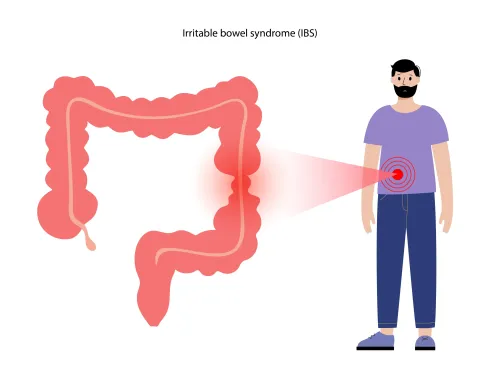
| Irritable bowel syndrome or lactose intolerance | Food avoidance and fear can shrink dietary variety and reduce calcium, fibre or energy. |
| Short bowel syndrome or pancreatitis | Reduced absorption or pancreatic enzyme failure can cause weight loss and steatorrhoea. |
| Fatty liver disease | A structured plan can improve diet quality without unsafe crash dieting. |
| Swallowing-related feeding problems | Dysphagia can cause dehydration, inadequate intake and aspiration risk. |
Request assessment for unintentional weight loss, reduced intake, weakness, loose stools, greasy stools or difficulty swallowing. BMI measures size, not muscle, micronutrient status, hydration or whether disease is consuming nutritional reserves, so do not wait until you look underweight.
What does a clinical nutrition assessment measure before advice is given?
A nutrition assessment measures intake, symptoms, nutrient losses, hydration, body changes and disease burden before setting targets. Normal or high BMI does not exclude malnutrition when muscle loss or poor intake is present.
1. Bring a three- to seven-day food and symptom diary. Record portions, drinks, meal timing, symptoms after eating, hydration, stool frequency, stool appearance and any unintentional weight loss or other weight change.
2. Describe your usual intake, appetite, pain, nausea, early fullness and swallowing difficulties. Note foods you avoid, whether meals are skipped, and whether cost, transport, cooking facilities or food access limits what you can eat.
3. List every medicine, supplement and recent antibiotic, including dose when known. This helps identify effects on appetite, absorption, diarrhoea and nutrient levels.
The clinician selects gastrointestinal blood tests for your condition, which can include a blood count, iron studies, vitamin B12, folate, vitamin D, electrolytes, liver tests and inflammatory markers. Examination also looks for muscle loss, poor wound healing, fatigue and reduced grip or daily function.
Your diagnosis, results and swallowing safety then shape practical targets for calories, protein, fibre and fluids. Pain, nausea, early fullness and access to food determine how those targets can be met safely.
How is a nutrition plan matched to the diagnosis rather than a popular diet?
A clinical nutrition plan starts with the diagnosis, test results, symptoms and nutritional risks—not a popular diet. It differs from generic healthy-eating advice, a short-term elimination diet and a permanent list of forbidden foods because foods are restricted only when there is a clear clinical reason.
If you are being tested for coeliac disease, continue eating gluten until antibody testing and, when indicated, an intestinal biopsy are complete. Removing gluten early can normalize tissue-transglutaminase antibodies or biopsy findings, producing a false-negative evaluation. After confirmation, a coeliac disease gluten-free diet requires:
- Reading labels for wheat, barley and rye
- Preventing cross-contact in kitchens and restaurants
- Checking medication and supplement ingredients
- Reviewing iron, folate, calcium and vitamin D
- Discussing oats, which can carry gluten contamination and are not automatically suitable
For pancreatic insufficiency nutrition, the goal is adequate calories and fat with correctly dosed pancreatic enzyme replacement therapy, not an unnecessarily low-fat diet. Take enzymes with meals and snacks; a commonly used adult starting point is at least 40,000–50,000 lipase units with each main meal and about half that amount with snacks.
Persistent steatorrhoea warrants review of timing, dose and other causes.
How can you meet nutrition needs when symptoms make eating difficult?
Match the adjustment to the symptom, not to a universal menu. During bowel narrowing, obstruction risk or a severe inflammatory flare, a temporary lower-fibre intake can reduce bulk; follow the treating clinician’s instructions. During constipation or stable disease, increase fibre gradually with fluids to avoid cramps and bloating.
| Approach | Examples | When it helps |
|---|---|---|
| Soluble fibre | Oats, psyllium | Constipation or some diarrhoea; increase gradually |
| Insoluble fibre | Bran, raw vegetable skins | Adds bulk, but can worsen discomfort during narrowing or a severe flare |
| Lower-fibre choices | Refined grains, peeled or well-cooked produce | Short-term symptom control when bulk is poorly tolerated |
For gastroparesis, use a gastroparesis diet of five or six small meals, lower fat and less insoluble fibre. Liquid or blenderized foods can empty more easily than solid meals. Early fullness or nausea calls for energy-dense, protein-rich portions so protein and calorie intake does not fall.
With diarrhoea, prioritize oral fluids and electrolytes, then add tolerated foods rather than fasting. For nocturnal reflux, GERD nutrition advice includes finishing food about two to three hours before lying down and avoiding only triggers that reliably cause symptoms.
Nuts, seeds and popcorn do not require blanket avoidance to prevent diverticulitis recurrence. Stable diverticular disease differs from acute diverticulitis, when a clinician may prescribe temporary dietary restrictions.
How do low-FODMAP and inflammatory bowel disease plans change over time?
The low-FODMAP diet is a time-limited IBS nutrition process, not a permanent highly restrictive diet. It reduces fermentable carbohydrates while you identify triggers, but prolonged unsupervised restriction can narrow fibre variety and reduce beneficial gut microbes. Track symptoms instead of removing foods indefinitely.
- Elimination: Follow a dietitian-planned low-FODMAP pattern for about two to six weeks, recording foods, portions, pain, bloating and stool changes. If symptoms do not improve, continuing restriction adds burden without a clear benefit.
- FODMAP reintroduction: Test one FODMAP group at a time, using planned portions over several days while keeping other foods stable. Record the amount that triggers symptoms and allow time between challenges.
- Personalisation: Reintroduce tolerated foods and build the broadest practical diet, retaining only restrictions with a reproducible effect.
Inflammatory bowel disease flare diet changes with disease activity. During a flare, prioritise hydration, tolerated calories, protein and correction of iron, vitamin B12, folate or vitamin D deficiencies; after symptoms settle, broaden foods gradually. In remission, adequacy and personal tolerance matter more than broad bans. Diet does not replace anti-inflammatory treatment.
For selected children with active Crohn’s disease, exclusive enteral nutrition—nutritionally complete formula as the sole food for six- to eight-weeks—is a specialist treatment requiring gastroenterology and dietitian supervision.
When is oral nutrition enough, and when is tube or intravenous feeding considered?
Oral nutrition is enough when you can swallow safely, keep food down and meet your calorie, protein and fluid needs without continued weight loss. Escalation is needed for swallowing problems and feeding, persistent vomiting, major weight loss, severe malabsorption, short bowel syndrome or intake that remains inadequate despite symptom treatment.
- Choose oral intake when swallowing is safe and the gut absorbs enough nutrients.
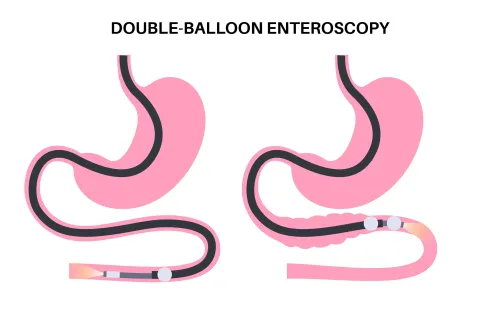
- Use enteral nutrition through a feeding tube when the intestine works but eating is unsafe or insufficient. A stomach tube suits many people; feeding into the small intestine may be considered when vomiting, delayed gastric emptying or aspiration risk prevents stomach feeding.
- Reserve parenteral nutrition, delivered through a vein, for intestinal failure or when you cannot receive or absorb enough through the gut.
Tube feeding uses the gastrointestinal tract but still requires monitoring for aspiration, diarrhoea, tube blockage and poor tolerance. Intravenous nutrition avoids the gut but adds catheter infection, bloodstream infection, thrombosis, high blood glucose, liver complications and electrolyte shifts.
Children receiving exclusive enteral nutrition for Crohn’s disease need a gastroenterologist and dietitian to coordinate formula choice, the usual six- to eight-week course and the transition back to food.
A gastroenterology consultation with Dr. Harshad Joshi can connect symptoms, investigations, disease treatment and nutrition support before self-directed restriction becomes unsafe.
Frequently asked questions
Which digestive conditions may need clinical nutrition support?
Support can help with inflammatory bowel disease, coeliac disease, short bowel syndrome, chronic pancreatitis, liver disease, persistent diarrhoea, swallowing problems and digestive cancers. Malnutrition can remain hidden when inflammation or fluid changes mask muscle loss on the scale.
What does a clinical nutrition assessment measure?
The assessment reviews recent weight change, food and fluid intake, appetite, nausea, vomiting, diarrhoea, pain, swallowing, dietary restrictions, muscle and fat stores, physical function and relevant blood tests.
How is a nutrition plan matched to a diagnosis?
The plan addresses the condition causing the problem. It may adjust fibre, fat, lactose, gluten, fermentable carbohydrates, meal size or nutrient density while protecting against unnecessary restrictions.
How can you meet nutrition needs when eating is difficult?
Use smaller frequent meals, energy- and protein-rich foods, suitable fluids and symptom-timed eating. Oral nutrition supplements can fill gaps when food alone does not meet requirements.
How do low-FODMAP and inflammatory bowel disease plans change over time?
A low-FODMAP plan uses a short restriction phase followed by structured reintroduction. In inflammatory bowel disease, food choices change with disease activity, treatment, tolerance and whether a flare or remission is present.