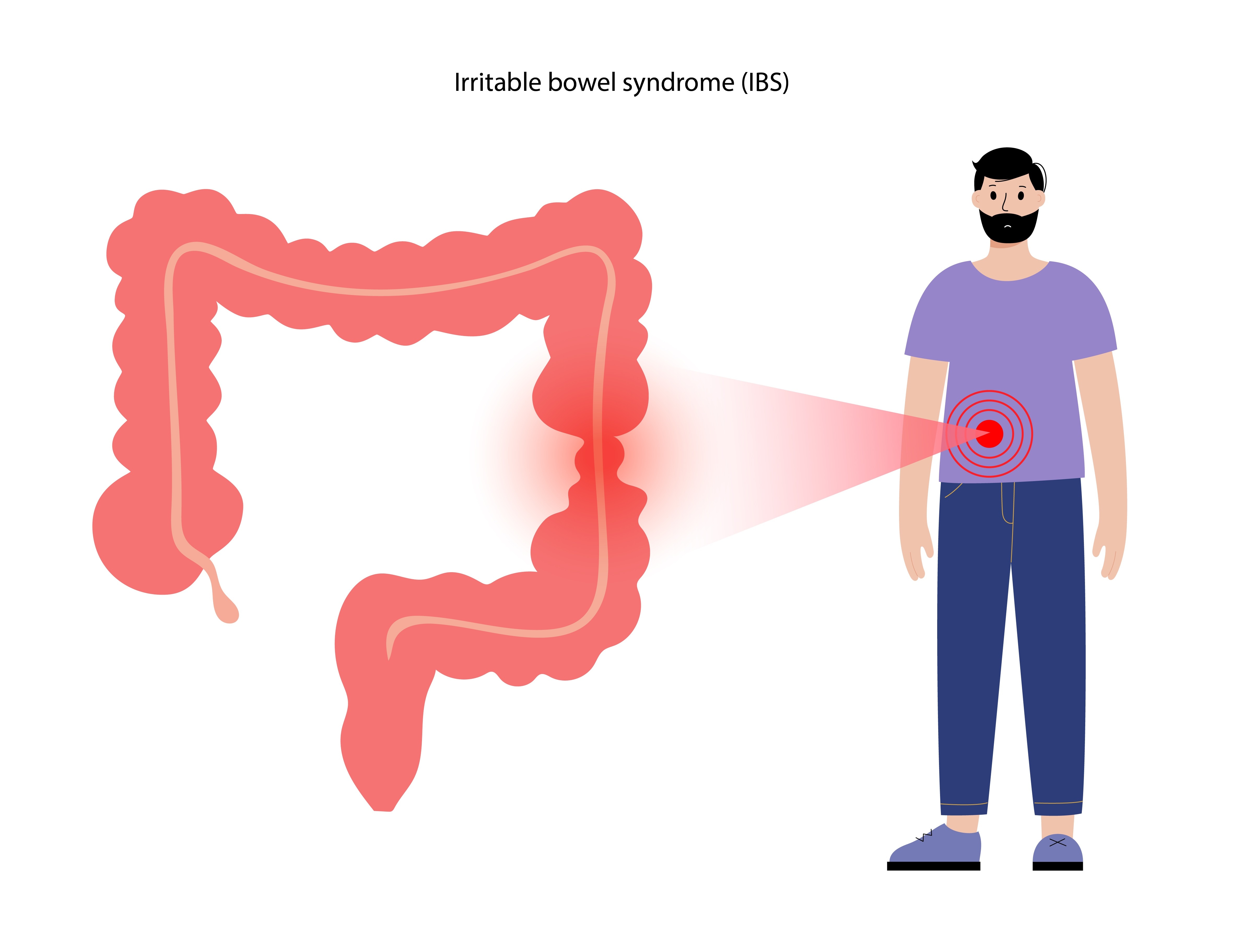
Recurring abdominal pain, bloating, diarrhoea or constipation can make every meal feel like a test, but symptoms do not automatically identify one food or prove a food allergy. By the end, you will know how IBS is recognised, how its subtypes differ, how to test suspected triggers without over-restricting your diet, and when recurring symptoms need medical assessment.
Key takeaways
- IBS requires recurring abdominal pain with altered bowel habits, not bloating alone.
- IBS subtypes depend on whether constipation, diarrhoea, or both predominate.
- Track foods, symptoms, timing, stress, sleep, and bowel movements before blaming one ingredient.
- Use a short, structured low-FODMAP trial with guidance, then reintroduce foods systematically.
What IBS Is and How Its Four Subtypes Differ
IBS is a clinical pattern, not a diagnosis based on constipation, diarrhoea or bloating alone.
The irritable bowel syndrome definition in the Rome IV criteria requires recurrent abdominal pain, on average at least one day per week during the last three months, linked to defecation, a change in stool frequency, or a change in stool form. Symptoms must have started at least six months before diagnosis.
Bloating, urgency, incomplete evacuation and mucus can occur alongside the pain.
The four subtypes are identified from stool form on abnormal bowel-movement days, using the Bristol Stool Form Scale—not from your general impression of having “constipation” or “diarrhoea.”
| Subtype | Stool pattern | What it indicates |
|---|---|---|
| IBS with constipation | Hard or lumpy stools exceed 25%; loose or watery stools stay below 25% | Constipation-predominant pattern |
| IBS with diarrhoea | Loose or watery stools exceed 25%; hard or lumpy stools stay below 25% | Diarrhoea-predominant pattern |
| Mixed IBS | Both hard/lumpy and loose/watery stools exceed 25% | Constipation and diarrhoea alternate |
| Unsubtyped IBS | Neither stool form exceeds 25% | Symptoms fit IBS, but no dominant stool pattern |
A pain-free change in stool form does not establish IBS. Likewise, a subtype can change over time, so record stool appearance during symptomatic days rather than labelling yourself from one episode. Persistent symptoms with bleeding, black stool, anaemia, weight loss or fever need medical assessment rather than an assumption of IBS.
The Common Triggers Behind Recurring IBS Symptoms
A large or fatty meal can trigger pain, bloating, urgency or loose stools even when none of its ingredients causes an allergy. Other common IBS triggers include caffeine, alcohol, carbonated drinks, spicy foods and fermentable carbohydrates in high-FODMAP foods.
| Trigger group | Examples | Why symptoms may recur |
|---|---|---|
| Carbohydrates | Onions, garlic, wheat, beans, lactose, excess fructose | Fermentation draws water into the bowel and increases gas |
| Drinks and meals | Coffee, alcohol, fizzy drinks, fried meals, large portions | Caffeine and alcohol can stimulate motility; fat and volume can distend the gut |
| Body and routine changes | Stress, poor sleep, menstrual-cycle changes, a previous gut infection | Motility and visceral sensitivity can change through the gut-brain interaction |
| Medicines | Antibiotics, magnesium-containing antacids, metformin and some laxatives | These can alter gut bacteria, stool water or bowel movement speed |
Lactose intolerance can cause symptoms after milk, ice cream or soft cheese, while fructose intolerance can follow fruit juice, honey or foods with excess fructose. The response depends on the dose, so a small serving may be tolerated while a larger one is not.
Food allergy is not the usual explanation for recurring IBS symptoms. Hives, wheezing, facial swelling or immediate vomiting point more toward an IgE-mediated allergy; commercial IgG food panels are not validated for finding IBS triggers. Avoid permanently removing many foods: broad restriction can cause nutritional gaps and make eating socially difficult.
Track meal timing, sleep, stress, medicines and menstrual changes alongside symptoms before blaming one ingredient.
How to Tell a Food Trigger from a Coincidence
Do not remove gluten, dairy, fruit and spicy foods together. Record your usual diet first, then test one suspected trigger at a time; otherwise you will not know which change helped.
1. Keep an IBS food diary for two weeks. Write down meal times, ingredients, portions, pain, bloating, urgency, sleep, stress, menstrual-cycle changes and medicines. Include delayed food reactions because symptoms can appear hours after eating rather than immediately.
2. Record each bowel movement using the Bristol Stool Form Scale, from Type 1 (hard pellets) to Type 7 (watery). Add the time and urgency level. This IBS symptom tracking shows whether a food pattern matches a stool change instead of relying on memory.
3. Choose one suspect food or ingredient and remove only that item for two to four weeks while keeping the rest of your diet stable. Do not test a whole category, such as all carbohydrates, unless a clinician or dietitian gives you a structured plan.
4. Reintroduce the same item in a normal portion on a day when your symptoms are settled. Repeat the test on another occasion. A trigger is more convincing when the same symptom returns after repeated exposure and eases when the item is removed.
If symptoms vary alongside stress, poor sleep or your menstrual cycle, record those factors beside meals. A food that appears guilty during one difficult week may be a coincidence. Broad permanent restriction can cause nutritional gaps and make eating socially difficult.
Using a Low-FODMAP Trial and Managing a Flare
Treat a low-FODMAP diet as a short diagnostic trial, not a permanent menu. With a dietitian’s guidance, follow the elimination phase for about 2–6 weeks, then begin elimination and reintroduction so you learn which fermentable carbohydrates cause symptoms and at what portion size.
- Keep a food-and-symptom record during the elimination phase. Record portions, pain, bloating, stool form and urgency rather than removing additional foods whenever symptoms fluctuate.
- Reintroduce one FODMAP group at a time while keeping the rest of your diet stable. Test a measured portion for several days, pause if symptoms become troublesome, and record your personal threshold.
- Restore tolerated foods and stop restricting items that cause no reaction. Staying on strict elimination indefinitely can reduce dietary variety and make eating socially difficult.
During a flare, choose smaller meals and reduce foods that you already know worsen symptoms. Do not suddenly add large amounts of bran or raw roughage. Soluble fibre, including oats or psyllium, is usually gentler than insoluble fibre; increase it gradually because a rapid increase can intensify gas and bloating.
Evidence for psyllium for IBS supports starting with a small amount and following the product instructions.
Drink fluids regularly, especially with diarrhoea or added fibre. Take small, frequent sips if nausea or urgency makes larger drinks uncomfortable. A dietitian can adjust the plan for IBS with diarrhoea, constipation or mixed stool patterns.
When Recurring Bowel Symptoms Need Medical Assessment
Seek medical assessment rather than assuming IBS when symptoms change, persist despite sensible management, or include IBS red flags. Arrange prompt care for gastrointestinal bleeding, black stool, unexplained anaemia, progressive or unintentional weight loss, fever, persistent vomiting, severe dehydration, or a palpable abdominal mass.
- Ask for specialist evaluation if symptoms wake you at night, began later in life, or occur with a strong family history of colorectal cancer, inflammatory bowel disease, or celiac disease.
- Do not rely on broad commercial IgG food-sensitivity panels. Immediate hives, wheezing, swelling, or vomiting after a food points more towards IgE-mediated allergy and needs appropriate allergy assessment.
| Finding | Alternative concern | Useful assessment |
|---|---|---|
| Chronic diarrhoea with anaemia, weight loss, bleeding, or raised inflammatory markers | Inflammatory bowel disease or colorectal disease | Faecal calprotectin can help distinguish intestinal inflammation from a functional disorder; colonoscopy may then be appropriate |
| Diarrhoea after gluten exposure, especially with anaemia or a family history | Celiac disease | Request celiac disease testing before removing gluten, because a gluten-free diet can make results unreliable |
| Persistent watery diarrhoea despite dietary changes | Bile-acid diarrhoea, microscopic colitis, medication effects, or infection | Ask whether targeted testing or treatment is more suitable than repeated food restriction |
Routine colonoscopy is not needed for every person under 45 without warning signs. A specialist such as Dr. Harshad Joshi can match the test to the symptom pattern, rather than ordering indiscriminate investigations.
Related services
Manometry ₹75000 Biofeedback therapy is commonly used as a treatment approach for anorectal dyssynergia, also known as pelvic floor dyssynergia or paradoxical... View service → |
Breath Test ₹15000 The hydrogen breath test is a diagnostic test used to assess various conditions related to the digestion of certain carbohydrates in the... View service → |
Frequently asked questions
What are the four IBS subtypes?
IBS is grouped as IBS with constipation, IBS with diarrhoea, mixed IBS with both patterns, or unsubtyped IBS when the pattern does not fit the other three.
How can you tell whether a food caused IBS symptoms?
Record the food, portion, preparation, timing, symptoms, bowel movement, stress, and sleep. Repeated symptoms after the same food are more convincing than one isolated episode.
What is a low-FODMAP trial for IBS?
A low-FODMAP trial temporarily reduces fermentable carbohydrates, followed by structured reintroduction to identify tolerated foods rather than maintaining unnecessary long-term restriction.
When should recurring bowel symptoms be medically assessed?
Seek assessment for blood in stool, unexplained weight loss, fever, anaemia, persistent vomiting, nighttime symptoms, a new change after age 50, or a family history of bowel cancer or inflammatory bowel disease.
Related service
Manometry ₹12000 Anorectal manometry is a diagnostic procedure used to evaluate the function of the muscles and nerves in the rectum and anal canal. View service → |