Celiac Disease is more than a sensitivity to wheat or a temporary digestive problem. It is an immune-mediated condition in which eating gluten triggers inflammation and damage to the lining of the small intestine. Gluten is naturally present in wheat, barley and rye. For people with celiac disease, continued exposure can interfere with nutrient absorption and cause symptoms that extend well beyond the digestive system.
The condition can occur at any age. Some people develop obvious gastrointestinal symptoms, while others have subtle signs that can remain unexplained for years.
What symptoms can celiac disease cause?
Digestive symptoms may include
- Recurrent diarrhoea
- Abdominal bloating
- Excessive gas
- Abdominal discomfort
- Nausea or vomiting
- Constipation
- Unexplained weight loss
However, celiac disease does not always present as a digestive complaint. Iron-deficiency anaemia, persistent tiredness, nutritional deficiencies, reduced bone density and unexplained weight changes can sometimes be associated with poor absorption of nutrients.
This variation in symptoms is one reason self-diagnosis based only on digestive discomfort can be misleading.
How is celiac disease diagnosed?
Diagnosis generally involves a combination of medical history, blood investigations and, when appropriate, examination of the small intestine through upper gastrointestinal endoscopy with biopsies.
A particularly important point is that people should generally not eliminate gluten before completing appropriate testing unless advised to do so by their treating doctor. Starting a strict gluten-free diet beforehand can affect certain test results and make diagnosis more difficult.
Testing may be considered when symptoms suggest celiac disease or when someone has risk factors such as a close family member with the condition.
Is a gluten-free diet enough?
Once celiac disease is confirmed, strict and sustained avoidance of gluten is the mainstay of management. This means more than simply stopping rotis, bread or bakery products made with wheat.
Patients need to understand ingredient labels and possible sources of gluten in foods such as sauces, processed foods, packaged snacks and products that may have been exposed to cross-contact during preparation.
Naturally gluten-free foods can include rice, pulses, fruits, vegetables, dairy products, eggs, meat and several traditional Indian foods, depending on how they are prepared.
In Mumbai and elsewhere in Maharashtra, eating outside the home can require additional attention because wheat-containing ingredients or shared cooking surfaces may not always be obvious.
Why nutritional follow-up matters
Long-standing intestinal inflammation may affect the absorption of iron, folate, vitamin B12, calcium, vitamin D and other nutrients. Consequently, treatment should focus not only on removing gluten but also on correcting nutritional deficiencies where identified.
Follow-up can also help assess whether symptoms are improving and whether there may be accidental gluten exposure.
Someone who continues to experience symptoms despite following a gluten-free diet may require reassessment. Persistent problems are not automatically proof that the diet has failed. Other gastrointestinal conditions, incomplete dietary exclusion, nutritional problems or another diagnosis may need consideration.
Celiac disease is different from other gluten-related complaints
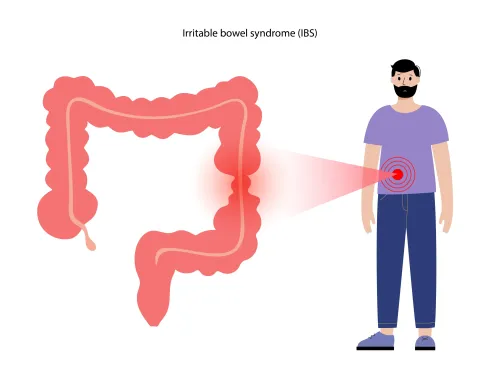
Bloating after wheat does not automatically mean celiac disease. Wheat allergy, non-celiac gluten or wheat sensitivity, irritable bowel syndrome and other digestive disorders can produce overlapping symptoms.
This is why testing before making major long-term dietary restrictions is useful.
For patients in Mumbai dealing with persistent diarrhoea, unexplained nutritional deficiencies or symptoms that seem connected with gluten-containing foods, a structured gastrointestinal assessment can help establish the cause. Dr. Harshad Joshi can be consulted for evaluation of digestive symptoms and appropriate investigation when celiac disease is suspected.
A confirmed diagnosis gives patients something far more useful than a list of foods to avoid. It provides a clear basis for dietary planning, nutritional monitoring and long-term digestive health management.
Keywords