
Most people experience diarrhoea at some point due to food poisoning, a viral infection, or dietary changes. In many cases, the symptoms resolve within a few days with adequate hydration and rest. However, when diarrhoea continues for several weeks or keeps returning, it may be a sign of an underlying digestive disorder rather than a temporary illness.
Chronic diarrhoea is defined as loose or watery stools that persist for four weeks or longer. Ignoring it can lead to dehydration, nutritional deficiencies, weight loss, and delayed diagnosis of serious gastrointestinal conditions. For people living in Mumbai, where busy schedules often lead to self-medication, understanding when persistent diarrhoea requires specialist evaluation is essential.
What Causes Chronic Diarrhoea?
Unlike acute diarrhoea caused by infections, chronic diarrhoea often develops because of ongoing inflammation, digestive disorders, or problems with nutrient absorption.
Some of the most common causes include:
- Inflammatory Bowel Disease (IBD)
- Crohn's disease
- Ulcerative colitis
- Celiac disease
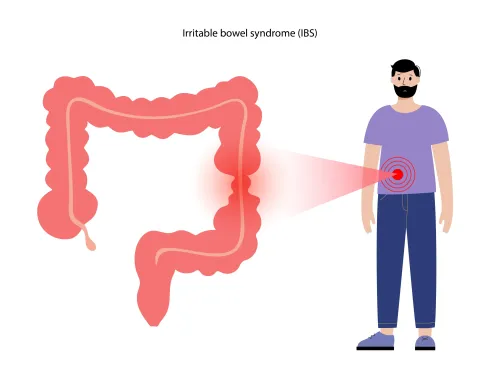
- Irritable Bowel Syndrome (IBS)
- Chronic intestinal infections
- Food intolerances such as lactose intolerance
- Side effects of certain medications
- Pancreatic disorders
- Thyroid-related conditions
Because several medical conditions share similar symptoms, identifying the exact cause is important before starting treatment.
Warning Signs That Should Not Be Ignored
Persistent diarrhoea is not always an emergency, but certain symptoms indicate the need for prompt medical attention.
Consult a gastroenterologist if you experience:
- Diarrhoea lasting longer than four weeks
- Blood or mucus in the stool
- Severe abdominal pain
- Fever along with digestive symptoms
- Unexplained weight loss
- Fatigue or weakness
- Frequent dehydration
- Night-time bowel movements
- Loss of appetite
These symptoms may point to an inflammatory or structural disorder that requires further investigation.
Could It Be Inflammatory Bowel Disease?
One of the most important causes of chronic diarrhoea is Inflammatory Bowel Disease (IBD). Both Crohn's disease and ulcerative colitis can cause persistent diarrhoea due to chronic inflammation of the digestive tract.
Patients with IBD may also notice:
- Abdominal cramps
- Urgent bowel movements
- Blood in stools
- Weight loss
- Joint pain
- Mouth ulcers
- Low energy levels
Early diagnosis allows treatment to begin before irreversible damage occurs to the intestines.
Don't Overlook Celiac Disease
Another frequently overlooked cause of chronic diarrhoea is Celiac disease, an autoimmune disorder triggered by gluten consumption.
People with Celiac disease may develop:
- Persistent loose stools
- Bloating
- Excessive gas
- Iron deficiency anaemia
- Weight loss
- Vitamin deficiencies
- Poor nutrient absorption
Because the symptoms often resemble other digestive conditions, proper testing is necessary to confirm the diagnosis.
How Is Chronic Diarrhoea Diagnosed?
A detailed medical history and physical examination help determine the most likely cause of persistent diarrhoea.
Depending on your symptoms, your gastroenterologist may recommend:
- Blood tests
- Stool examination
- Tests for nutritional deficiencies
- Colonoscopy
- Upper gastrointestinal endoscopy
- Imaging studies such as CT or MRI
- Biopsy when required
These investigations help distinguish between inflammatory diseases, infections, malabsorption disorders, and functional bowel conditions.
Treatment Depends on the Underlying Cause
There is no single treatment that works for every patient with chronic diarrhoea. Management is based on identifying and treating the underlying condition.
Treatment may include:
- Medications to reduce intestinal inflammation
- Dietary modifications
- Gluten-free diet for Celiac disease
- Antibiotics when infections are identified
- Biological therapies for moderate to severe IBD
- Nutritional supplementation
- Hydration and electrolyte replacement
Treating only the symptom without identifying its cause often leads to recurring episodes.
Practical Tips While Awaiting Medical Evaluation
If you are experiencing chronic diarrhoea, a few simple measures may help reduce discomfort until you receive specialist care.
These include:
- Drink plenty of water and oral rehydration solutions
- Eat easily digestible foods in small portions
- Avoid oily, spicy, and heavily processed meals
- Limit caffeine and alcohol
- Keep a diary of your meals and bowel habits
- Avoid taking antibiotics or anti-diarrhoeal medicines without medical advice
Monitoring your symptoms can also help your doctor identify possible triggers during the consultation.
Why Early Evaluation Makes a Difference
Persistent diarrhoea should never be considered a normal part of life. Delayed diagnosis can allow underlying diseases to progress, increasing the risk of complications such as severe dehydration, malnutrition, intestinal damage, and poor quality of life.
For patients in Mumbai experiencing long-standing digestive symptoms, seeking evaluation from an experienced gastroenterologist is the best way to identify the cause and begin appropriate treatment. Dr. Harshad Joshi provides comprehensive assessment for chronic diarrhoea, Celiac disease, Inflammatory Bowel Disease, and other gastrointestinal disorders, using evidence-based diagnostic methods and individualized treatment plans to help patients regain digestive health and improve their overall well-being.
Keywords