
An occasional episode of diarrhoea often settles within a few days. Chronic Diarrhoea is different. When loose or unusually frequent stools continue for weeks, repeatedly return or are accompanied by other concerning symptoms, simply changing food or repeatedly taking short-term medicines may not solve the underlying problem.
Persistent diarrhoea is a symptom, not a diagnosis.
What can cause chronic diarrhoea?
There is no single cause. Possible explanations range from functional digestive conditions to inflammatory or malabsorption disorders.
Depending on the patient's history, doctors may consider conditions such as
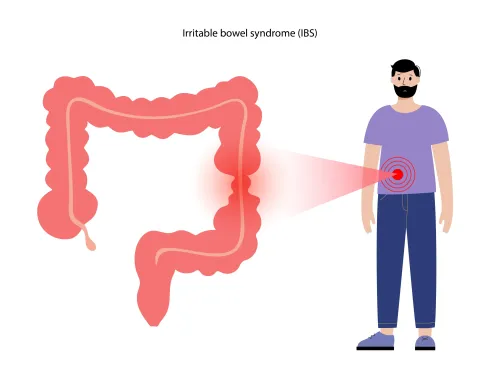
- Irritable bowel syndrome
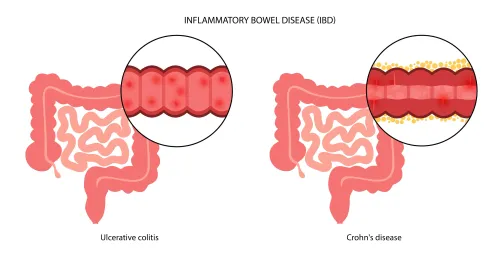
- Inflammatory bowel disease
- Celiac disease
- Persistent intestinal infections
- Malabsorption
- Medication-related diarrhoea
- Microscopic inflammation of the colon
- Pancreatic or other digestive disorders
This wide range explains why the same treatment cannot be applied to every person with persistent loose stools.
Which symptoms need particular attention?
Certain features make a detailed medical assessment more important.
These include diarrhoea accompanied by
- Visible blood in the stool
- Unintentional weight loss
- Fever
- Anaemia
- Significant abdominal pain
- Symptoms waking you from sleep
- Persistent vomiting
- Signs of dehydration
- A family history of significant bowel disease
Age, medical history, medicines and duration of symptoms also influence the investigation plan.
What information should you track?
Before a gastroenterology consultation, keeping a short symptom record can be surprisingly useful.
Note how many times you pass stool each day, whether it is watery or simply soft, whether blood or mucus is present, whether symptoms occur at night and whether particular foods appear to worsen the problem.
Also record recently started medicines, antibiotics, travel, weight changes and associated abdominal pain.
This information can help distinguish between several possible patterns.
What tests might be required?
There is no standard diarrhoea package appropriate for everyone.
Initial assessment may involve blood tests and stool investigations. Depending on the findings, further testing for celiac disease, intestinal inflammation or malabsorption may be considered.
Some patients may require colonoscopy with biopsies. Others may need imaging, upper gastrointestinal evaluation or more specialised investigations.
The purpose is to select tests based on the suspected cause rather than performing every available investigation.
A common mistake removing too many foods
People with persistent diarrhoea frequently begin eliminating milk, wheat, spices, fruits and other foods simultaneously.
Although particular dietary changes can be appropriate for specific conditions, extensive restriction before a diagnosis may complicate nutritional intake and make it harder to understand which foods genuinely affect symptoms.
For example, celiac disease requires a strict gluten-free diet, but it should ideally be properly investigated before gluten is removed.
Similarly, irritable bowel syndrome may involve food-triggered symptoms without intestinal inflammation. The management approach is therefore different.
When persistent symptoms affect daily life
For people working and travelling across Mumbai, frequent unpredictable bowel movements can quickly become disruptive. Patients may begin avoiding long commutes, meetings, restaurants and social activities because they are uncertain when they will need a washroom.
That impact matters even when there is no severe pain.
Dr. Harshad Joshi evaluates patients in Mumbai with persistent gastrointestinal symptoms, including chronic diarrhoea, to identify whether further investigations are required.
Rather than asking only how to stop loose motions, the more useful question is why they continue. Once the cause is identified, treatment can move from temporary symptom control toward addressing the actual digestive disorder.
Keywords