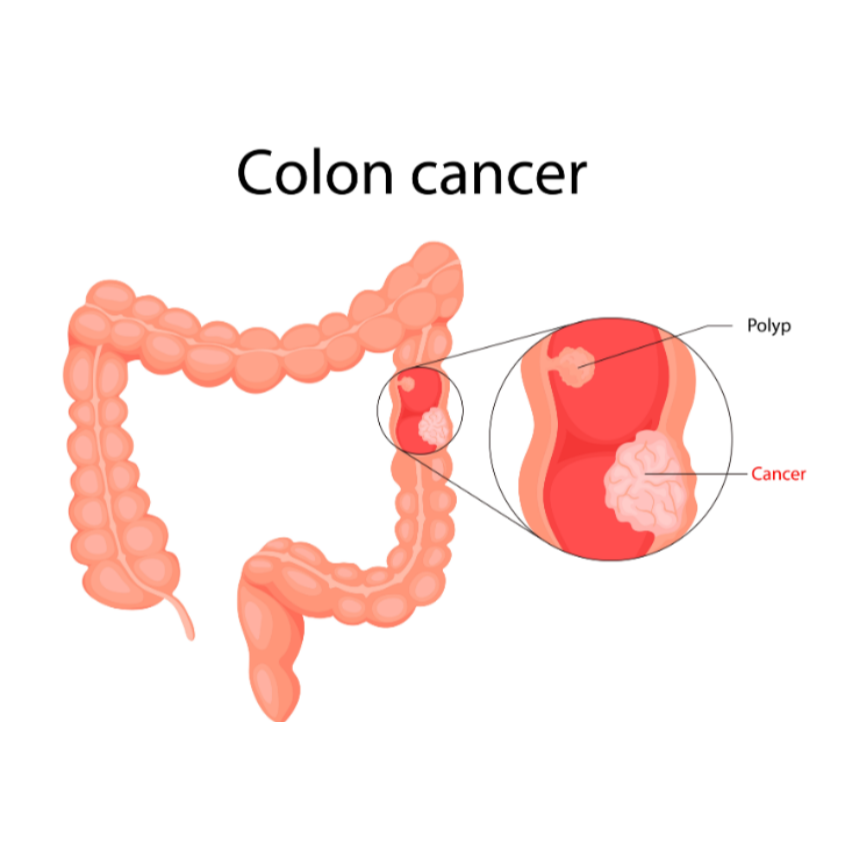
Colon Cancer Screening is designed to detect colorectal cancer at an earlier stage and, importantly, identify certain precancerous polyps before they develop into cancer.
People sometimes wait for bleeding, abdominal pain or altered bowel habits before thinking about a colon examination. Screening works differently. It is intended for people who may not have symptoms but have reached an age or risk level where preventive evaluation becomes relevant.
Why screening matters
Many colorectal cancers develop through a gradual sequence in which certain polyps in the colon undergo changes over time.
Finding and removing appropriate precancerous polyps can therefore interrupt that progression.
Screening may also detect cancer before it produces obvious symptoms, when treatment options may differ from those available at a more advanced stage.
Who should discuss colorectal screening?
International screening recommendations commonly begin average-risk screening around the mid-40s, although the appropriate starting age and test depend on the guideline being followed and the patient's individual risk profile.
A person may require an earlier or more individualised strategy if there is
- A family history of colorectal cancer
- A personal history of certain colorectal polyps
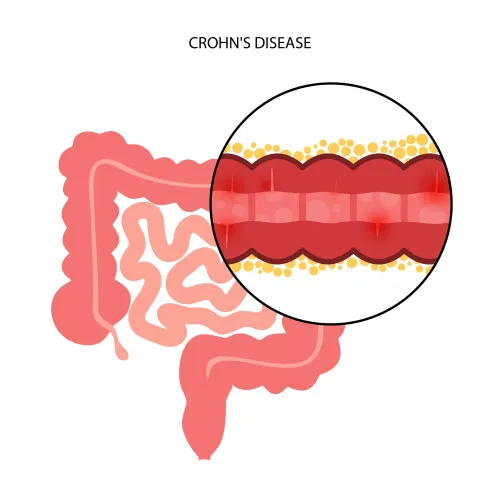
- Long-standing inflammatory bowel disease affecting the colon
- A recognised hereditary colorectal cancer syndrome
- Previous findings that require surveillance
This distinction between average risk and increased risk is important.
Someone whose close relative developed colorectal cancer at a younger age should not assume that a general population screening schedule automatically applies.
Screening is different from investigating symptoms
A patient with rectal bleeding, persistent bowel habit changes, unexplained iron-deficiency anaemia or unexplained weight loss is not simply seeking routine screening.
Those symptoms may require diagnostic evaluation.
That difference matters because the choice and urgency of investigations can change when symptoms are present.
Is colonoscopy the only screening option?
Different colorectal screening strategies exist internationally, including stool-based tests and structural examinations of the colon.
Colonoscopy has a particular advantage because it allows direct visualisation of the colon and enables polyps to be removed or biopsied during the same procedure when appropriate.
However, the most suitable screening method depends on age, risk factors, previous findings, medical history and access to follow-up testing.
A positive result from certain non-invasive screening tests may still lead to colonoscopy.
What should you discuss before colonoscopy?
Before undergoing the procedure, patients should provide information about
- Current medicines
- Blood-thinning treatment
- Diabetes medicines
- Previous colonoscopy findings
- Relevant heart, lung or kidney conditions
- Family history of colorectal cancer
- Previous problems with sedation or bowel preparation
Good bowel preparation is essential because residual stool can obscure the lining of the colon and make smaller lesions harder to detect.
Colon cancer screening in Mumbai
Awareness of preventive gastrointestinal care is increasing in Mumbai, but many adults still associate colonoscopy only with severe digestive symptoms.
Screening conversations can be particularly valuable for middle-aged and older adults and people with significant family or personal risk factors.
Dr. Harshad Joshi can assess patients in Mumbai who want to understand whether colorectal screening is appropriate based on their age, family history and gastrointestinal health.
People living elsewhere in Maharashtra who have a significant colorectal cancer family history may also benefit from clarifying when surveillance should begin rather than waiting for symptoms.
Colon cancer screening should not be approached as a generic test that everyone needs at exactly the same age and frequency. Risk matters.
Knowing your family history, previous polyp findings and personal bowel disease history gives a gastroenterologist the information needed to recommend an appropriate screening strategy.
The best time to discuss screening is often before symptoms develop, because prevention and early detection are precisely what colorectal screening is designed to support.
Keywords