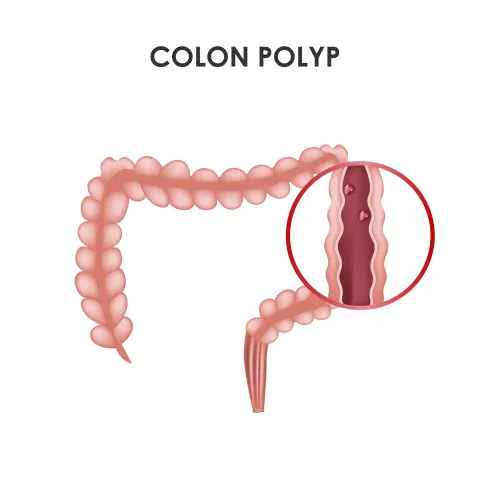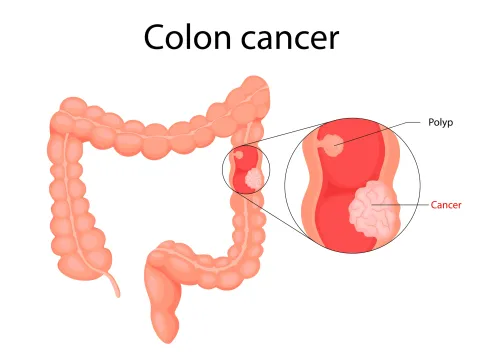

Being told that a colonoscopy has found Colonic Polyps can immediately raise concerns about cancer. The important point is that a polyp is not automatically cancer.
Polyps are growths arising from the lining of the colon. They vary in size, appearance and microscopic type. Some have little or no malignant potential, while certain types can develop into colorectal cancer over time.
This is why finding a polyp is only the beginning of the assessment.
Why are polyps removed?
When technically appropriate, polyps identified during colonoscopy are often removed so they can be examined by a pathologist.
Removal can serve two purposes.
First, laboratory examination determines what type of polyp was present and whether there were concerning cellular changes.
Second, removing certain precancerous polyps can reduce the opportunity for them to progress to colorectal cancer.
This preventive aspect is one of the major benefits of colonoscopy.
Are all polyps the same?
No. Their significance depends on several factors.
Doctors consider characteristics such as
- Number of polyps
- Size
- Location
- Shape
- Histological type
- Presence and degree of dysplasia
- Completeness of removal
- Quality of bowel preparation
The pathology report is therefore important for deciding what happens next.
Why might another colonoscopy be recommended?
Patients sometimes assume that once a polyp is removed, no further follow-up is needed.
For some people, the next screening examination may indeed be years away. Others require earlier surveillance because their previous findings indicate a higher probability of developing additional significant polyps.
The recommended interval should be based on the complete colonoscopy and pathology findings rather than a generic annual check-up schedule.
What if a large polyp is found?
Larger or technically complex lesions may require advanced endoscopic removal techniques or, in selected situations, surgical assessment.
The decision depends on the lesion's appearance, location, suspected depth and whether safe complete endoscopic removal appears feasible.
A patient should understand whether the polyp was completely removed, whether pathology is pending and what follow-up has been advised.
Who may need particular attention?
People with a personal history of significant polyps require surveillance according to their findings.
Family history is also relevant. Multiple polyps, colorectal cancer occurring at unusually young ages in a family or patterns suggesting a hereditary condition may alter the evaluation strategy.
Patients with long-standing inflammatory bowel disease involving the colon can have separate surveillance requirements.
Preparing for a polyp-related consultation
If you have already undergone colonoscopy, bring the complete report and pathology findings rather than relying on a verbal summary.
Useful questions include
- What type of polyp was found?
- Was it completely removed?
- Did pathology show dysplasia?
- Was the bowel preparation adequate?
- When should the next colon examination occur?
- Does my family need to know about these findings?
These questions turn an isolated test result into a practical prevention plan.
Colonic polyp care in Mumbai
Mumbai patients frequently undergo colonoscopy at different hospitals or diagnostic facilities and later need help interpreting what the findings mean for future surveillance.
Dr. Harshad Joshi can evaluate gastrointestinal and colorectal findings in Mumbai, including previous colonoscopy and polyp reports, and advise on an appropriate next-step assessment.
Patients travelling from elsewhere in Maharashtra for gastrointestinal care should ideally carry previous procedure images, reports and pathology results. These records can prevent unnecessary duplication and provide important information about prior findings.
The key issue after discovering a colonic polyp is not simply whether a polyp was found. What matters is what kind of polyp it was, whether it was completely removed and what that finding means for future colorectal risk.
A clear surveillance plan helps ensure that colonoscopy serves its preventive purpose rather than becoming a one-time procedure whose findings are forgotten.
Keywords