Occasional stomach upset is common. Persistent diarrhoea, blood in the stool, abdominal pain or unexplained weight loss deserves a different level of attention, particularly when symptoms continue or repeatedly return.
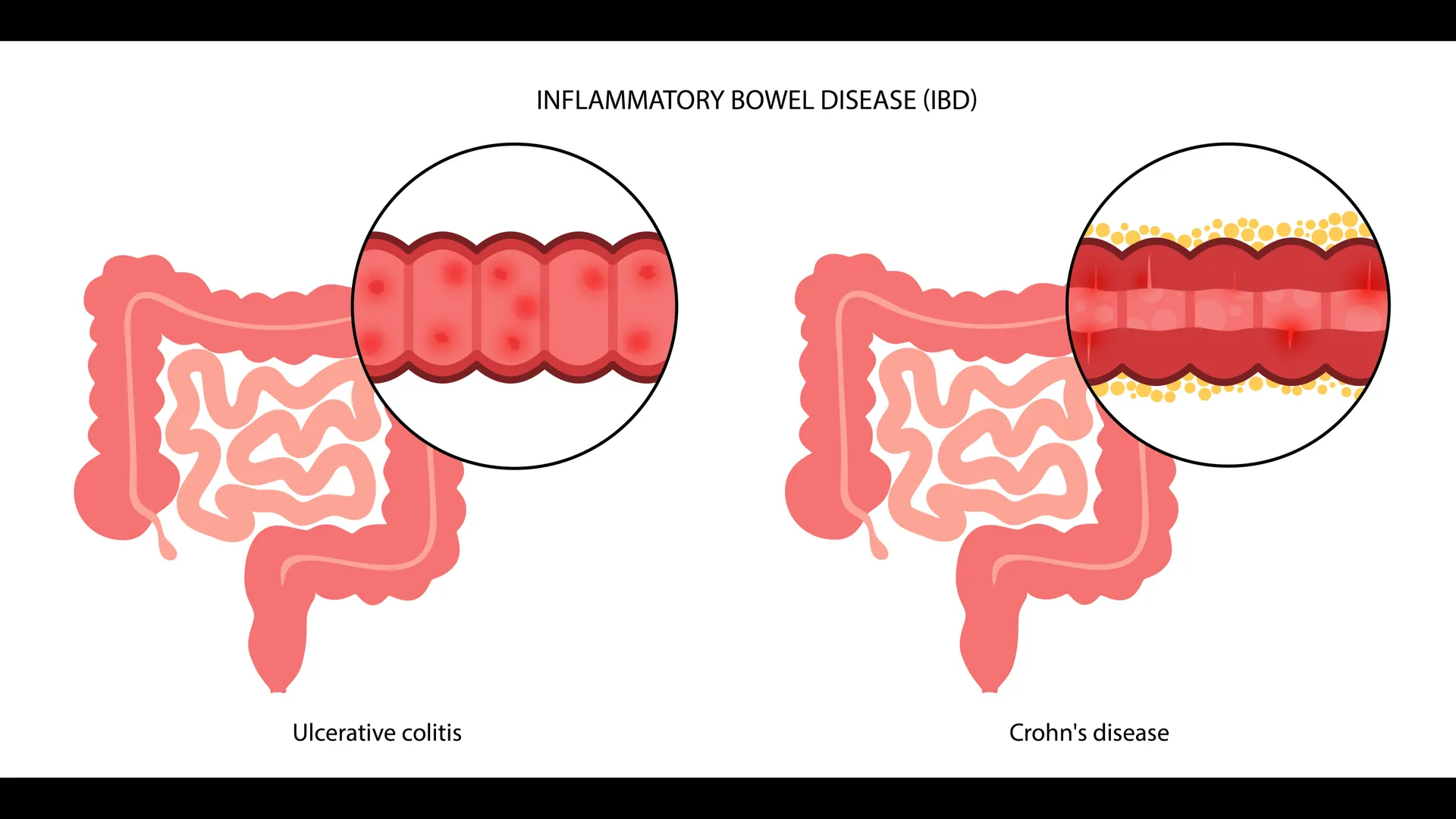
Inflammatory Bowel Disease (IBD) refers primarily to two chronic inflammatory conditions Crohn's disease and ulcerative colitis. Both involve inflammation within the gastrointestinal tract, but they differ in where and how that inflammation occurs.
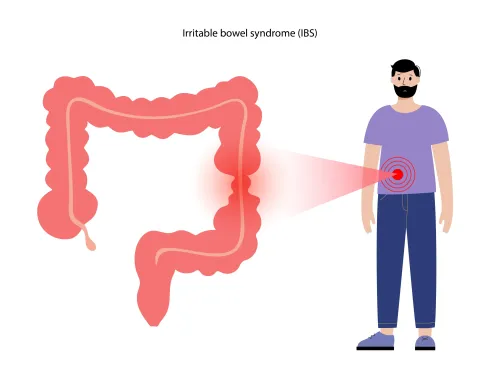
Understanding this distinction is important because IBD is not simply another name for indigestion or irritable bowel syndrome.
What happens in IBD?
In inflammatory bowel disease, abnormal immune activity contributes to ongoing inflammation in the digestive tract.
Ulcerative colitis affects the colon and rectum. The inflammation involves the inner lining of the bowel and usually develops in a continuous pattern.
Crohn's disease can affect different parts of the gastrointestinal tract, from the mouth to the anus, although the small intestine and colon are frequently involved. Inflammation can also extend more deeply into the bowel wall.
Common warning signs
IBD can present differently from person to person. Symptoms may include
- Persistent or recurrent diarrhoea
- Blood or mucus in stool
- Abdominal pain or cramping
- Urgency to pass stool
- Unexplained weight loss
- Reduced appetite
- Fatigue
- Fever in some cases
Some people may also develop problems outside the digestive tract involving the joints, skin or eyes.
Symptoms can fluctuate. Periods of active inflammation are often called flares, while periods when disease activity is controlled are referred to as remission.
Why symptoms alone cannot confirm IBD
Several gastrointestinal conditions can produce similar complaints.
For example, diarrhoea and abdominal pain can occur with intestinal infections, celiac disease, medication effects and functional bowel disorders. Rectal bleeding may also have causes unrelated to IBD.
A diagnosis therefore requires more than matching symptoms to an online checklist.
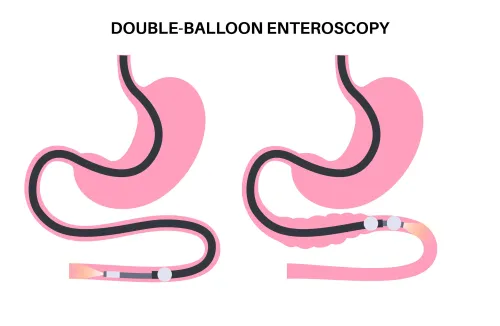
Depending on the clinical situation, evaluation can involve blood tests, stool investigations, colonoscopy, imaging and tissue biopsies. The exact combination depends on the patient's symptoms and suspected area of disease.
Why early evaluation is useful
Persistent intestinal inflammation can have consequences beyond discomfort.
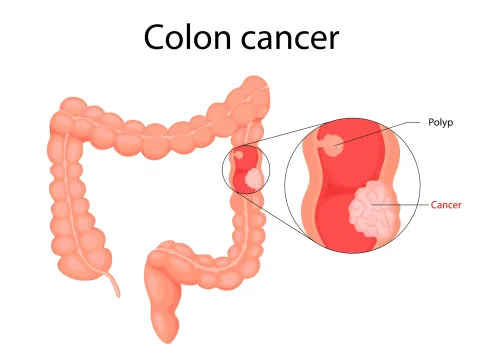
Depending on the disease and its severity, complications may include anaemia, nutritional deficiencies, narrowing of sections of the intestine, fistulas or other bowel-related problems. Long-standing colonic inflammation can also influence recommendations for colorectal surveillance.
Effective management aims to control inflammation rather than merely suppress symptoms temporarily.
Is IBD curable?
IBD is generally considered a chronic condition that requires ongoing management. However, treatment has advanced considerably, and different therapies can be used according to disease severity, location, previous response and individual patient factors.
Treatment options may include anti-inflammatory medicines, immunomodulators, biologic therapies and, in selected circumstances, surgery.
The appropriate strategy can change over time, which is why monitoring is an important part of care.
Living with IBD in Mumbai
Managing a chronic digestive condition alongside commuting, work, travel and social eating can be challenging. Patients in Mumbai may find that urgency, unpredictable bowel habits and dietary uncertainty interfere with daily routines even when symptoms are not severe enough to require emergency treatment.
Keeping a clear record of symptoms, stool frequency, bleeding, weight changes and current medicines can make medical consultations more productive.
Dr. Harshad Joshi provides gastrointestinal evaluation in Mumbai for patients with symptoms that may require assessment for inflammatory bowel disease and related digestive conditions.
Not every episode of diarrhoea is IBD. The important distinction is persistence, recurrence and the presence of warning signs. When bowel symptoms become a pattern rather than an isolated event, identifying whether inflammation is present is more useful than repeatedly treating each episode as a temporary stomach problem.
Keywords