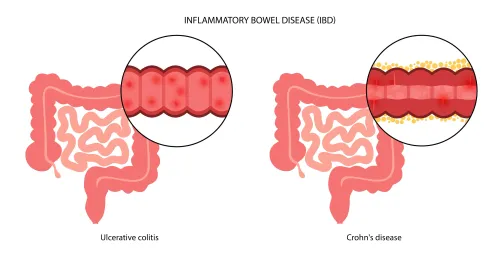

For many people living with Inflammatory Bowel Disease (IBD), standard medications are enough to control symptoms during the early stages of the disease. However, when inflammation continues despite conventional treatment or symptoms keep returning, biologic therapies may become an important part of long-term disease management.
Among the most commonly prescribed biologic medications are Infliximab, Adalimumab, and Ustekinumab. While each treatment is designed to reduce inflammation, they work in different ways and are chosen based on the patient's condition, disease severity, medical history, and treatment goals.
If you have recently been advised to start a biologic medicine, understanding the differences between these options can help you have a more informed discussion with your gastroenterologist.
What Are Biologic Therapies?
Biologics are advanced medications made from living cells that target specific parts of the immune system responsible for chronic inflammation.
Unlike steroids, which suppress the immune system broadly, biologics are designed to block particular inflammatory pathways. This targeted approach often helps patients achieve better disease control while reducing the frequency of flare-ups.
Biologic therapy is commonly recommended for:
- Moderate to severe Crohn's disease
- Moderate to severe ulcerative colitis
- Patients not responding to conventional medicines
- Steroid-dependent IBD
- Patients with fistulizing Crohn's disease
- Individuals with recurrent disease activity
The choice of biologic depends on individual clinical factors rather than one medication being universally 'better' than another.
How Infliximab Works
Infliximab belongs to a group of medicines known as anti-TNF (Tumor Necrosis Factor) agents.
It works by blocking TNF-alpha, a protein that plays a major role in causing inflammation within the digestive tract.
Infliximab is generally administered through intravenous infusion at scheduled intervals under medical supervision.
It may be considered for patients who have:
- Moderate to severe Crohn's disease
- Ulcerative colitis
- Complex fistulas
- Extensive intestinal inflammation
- Failure of conventional medications
Many patients experience significant improvement in symptoms after appropriate treatment, although response varies from person to person.
Understanding Adalimumab
Like Infliximab, Adalimumab is also an anti-TNF biologic.
The primary difference lies in how it is administered. Adalimumab is usually given as a subcutaneous injection, allowing eligible patients to self-administer treatment at home after receiving appropriate training.
Doctors may recommend Adalimumab for patients who:
- Prefer home-based treatment
- Have moderate to severe IBD
- Require long-term biologic therapy
- Have previously responded well to anti-TNF medications
Regular follow-up remains essential to monitor treatment effectiveness and safety.
How Ustekinumab Differs
Ustekinumab works through a different immune pathway than anti-TNF medications.
Instead of blocking TNF-alpha, it targets specific proteins called interleukin-12 (IL-12) and interleukin-23 (IL-23), both of which contribute to intestinal inflammation.
Because of its different mechanism of action, Ustekinumab may be considered for:
- Patients who have not responded adequately to anti-TNF therapy
- Individuals who experience side effects with other biologics
- Moderate to severe Crohn's disease
- Selected cases of ulcerative colitis
Its unique mode of action makes it an important option in personalized IBD treatment.
Comparing the Three Treatments
Although all three medications aim to reduce inflammation and maintain remission, there are notable differences.
Infliximab
- Intravenous infusion
- Anti-TNF medication
- Often used for severe disease and fistulizing Crohn's disease
Adalimumab
- Self-administered injection
- Anti-TNF medication
- Suitable for patients who prefer home administration
Ustekinumab
- Different immune target (IL-12/IL-23)
- Used when clinically appropriate based on disease characteristics
- Offers an alternative for selected patients who require a different therapeutic approach
The decision is always individualized and should be based on clinical evaluation rather than convenience alone.
What Factors Influence the Choice of Biologic?
Your gastroenterologist considers several important factors before recommending a biologic therapy.
These include:
- Type of IBD
- Disease severity
- Location of intestinal involvement
- Previous medications
- Presence of fistulas or complications
- Existing medical conditions
- Risk of infections
- Lifestyle and treatment preferences
- Long-term monitoring requirements
Blood tests, imaging, and endoscopic findings also help guide treatment decisions.
Why Regular Monitoring Is Essential
Starting biologic therapy does not end the treatment journey. Ongoing monitoring helps ensure that the medication continues to work effectively and safely.
Regular follow-up may include:
- Blood investigations
- Liver function tests
- Infection screening
- Colonoscopy when indicated
- Assessment of symptom control
- Monitoring for potential side effects
Adjustments to treatment are sometimes needed based on disease activity and overall health.
For patients in Mumbai seeking expert guidance on advanced IBD treatment, Dr. Harshad Joshi provides comprehensive evaluation and individualized care for Crohn's disease and ulcerative colitis. By carefully assessing each patient's condition, treatment history, and long-term goals, the specialist helps determine whether Infliximab, Adalimumab, Ustekinumab, or another evidence-based therapy is the most appropriate choice for achieving sustained disease control and improving quality of life.
Keywords