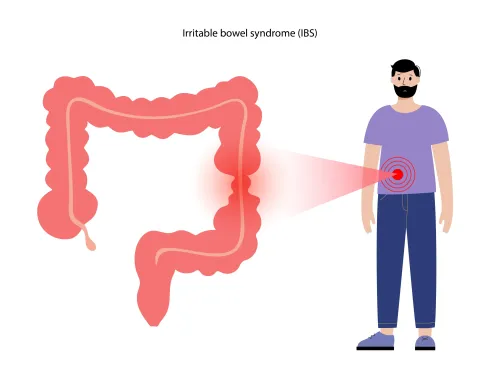

Irritable Bowel Syndrome (IBS) can cause recurrent abdominal pain, bloating and changes in bowel habits without the type of structural inflammation seen in conditions such as inflammatory bowel disease.
Although IBS is common, managing it can become frustrating when patients cycle through restrictive diets, unnecessary medicines and repeated self-treatment without a clear plan.
Several common mistakes can make that process more complicated.
Mistake 1 Assuming every bowel problem is IBS
Not every episode of bloating, constipation or diarrhoea should automatically be labelled irritable bowel syndrome.
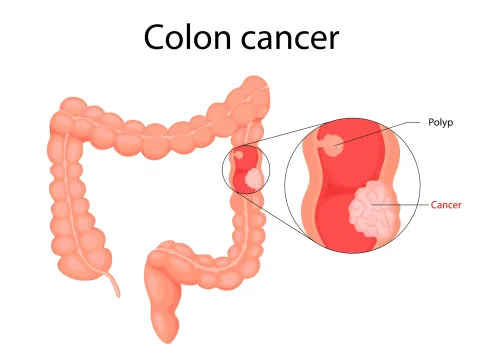
A medical assessment considers the symptom pattern and whether warning signs suggest another condition. Blood in the stool, unexplained weight loss, anaemia, fever and certain other clinical features may require investigation for causes other than IBS.
Age, family history and the onset of symptoms also matter.
Mistake 2 Confusing IBS with IBD
The abbreviations sound similar, but IBS and inflammatory bowel disease are different.
IBD, including Crohn's disease and ulcerative colitis, involves intestinal inflammation that can be demonstrated through appropriate investigations.
IBS is a disorder of gut-brain interaction. Symptoms are real and can significantly affect quality of life, but the underlying mechanism and treatment approach differ from inflammatory bowel disease.
Getting the distinction right prevents both unnecessary anxiety and delayed treatment of genuine inflammation.
Mistake 3 Cutting out multiple foods at once
Food-related symptoms are common in IBS, but eliminating wheat, dairy, pulses, fruits, vegetables and spices simultaneously can create an unnecessarily restrictive diet.
A more structured approach identifies whether specific foods or eating patterns consistently trigger symptoms.
Some patients may benefit from specialised dietary strategies, but these should ideally be time-limited and systematically assessed rather than turning into permanent avoidance of dozens of foods.
Mistake 4 Ignoring constipation because stools sometimes become loose
IBS can occur predominantly with constipation, predominantly with diarrhoea or with mixed bowel habits.
Someone who alternates between hard stools and episodes of urgency may therefore require a different approach from a patient who experiences persistent watery diarrhoea.
Accurately describing the pattern matters.
Mistake 5 Focusing only on the intestine
Sleep, stress and daily routines can influence IBS symptoms through interactions between the nervous system and gastrointestinal tract.
This does not mean symptoms are imaginary or only due to stress. It means bowel function is affected by multiple physiological factors.
Regular meals, appropriate physical activity, adequate sleep and management of individual triggers may form part of a broader treatment strategy.
Mistake 6 Repeating tests without reassessing the clinical picture
Some patients with longstanding IBS undergo repeated investigations whenever symptoms fluctuate.
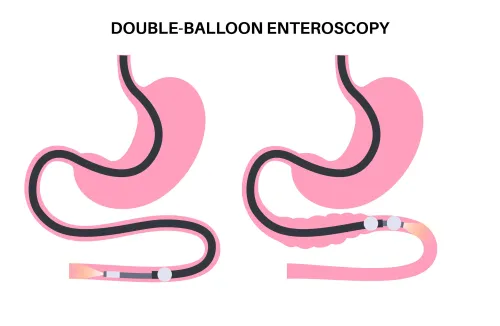
Tests have an important role when the diagnosis is uncertain or new warning signs appear. Once appropriate evaluation has excluded concerning causes, management can often focus more effectively on symptom patterns and individual triggers.
Getting a clearer diagnosis
Mumbai's busy schedules, irregular meal timings, commuting and frequent eating outside the home can make bowel symptoms especially disruptive. But lifestyle alone should not be blamed when symptoms are persistent.
Dr. Harshad Joshi evaluates patients in Mumbai with recurring digestive complaints to determine whether symptoms fit IBS or whether another gastrointestinal condition needs investigation.
A useful IBS management plan begins by defining the dominant symptoms. Is pain the main concern? Is diarrhoea limiting travel? Is constipation causing discomfort? Is bloating the most disruptive symptom?
Once the pattern is clear, treatment can be more targeted.
IBS often becomes harder to manage when patients keep changing multiple things simultaneously. A systematic approach, beginning with an accurate diagnosis and followed by focused changes, usually provides far more useful information than an endless cycle of dietary restrictions and self-treatment.
Keywords