Blood in diarrhoea, repeated urgency, mucus, nighttime stools and an unexplained change in bowel habit deserve more than a guess that the problem is IBS or haemorrhoids. By the end, you will know which symptom patterns fit ulcerative colitis, when to arrange evaluation, which warning signs need urgent care and how clinicians separate inflammation from infection or other causes.
Key takeaways
- Blood in diarrhoea, urgency and frequent stools raise concern for ulcerative colitis.
- Seek urgent care for heavy bleeding, severe pain, fever or dehydration.
- Persistent bowel changes need evaluation even when symptoms are mild.
- Colonoscopy with biopsies helps confirm or rule out ulcerative colitis.
The symptom pattern that raises concern for ulcerative colitis
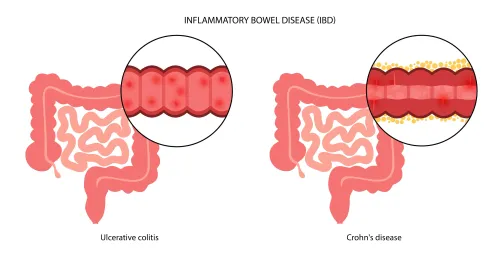
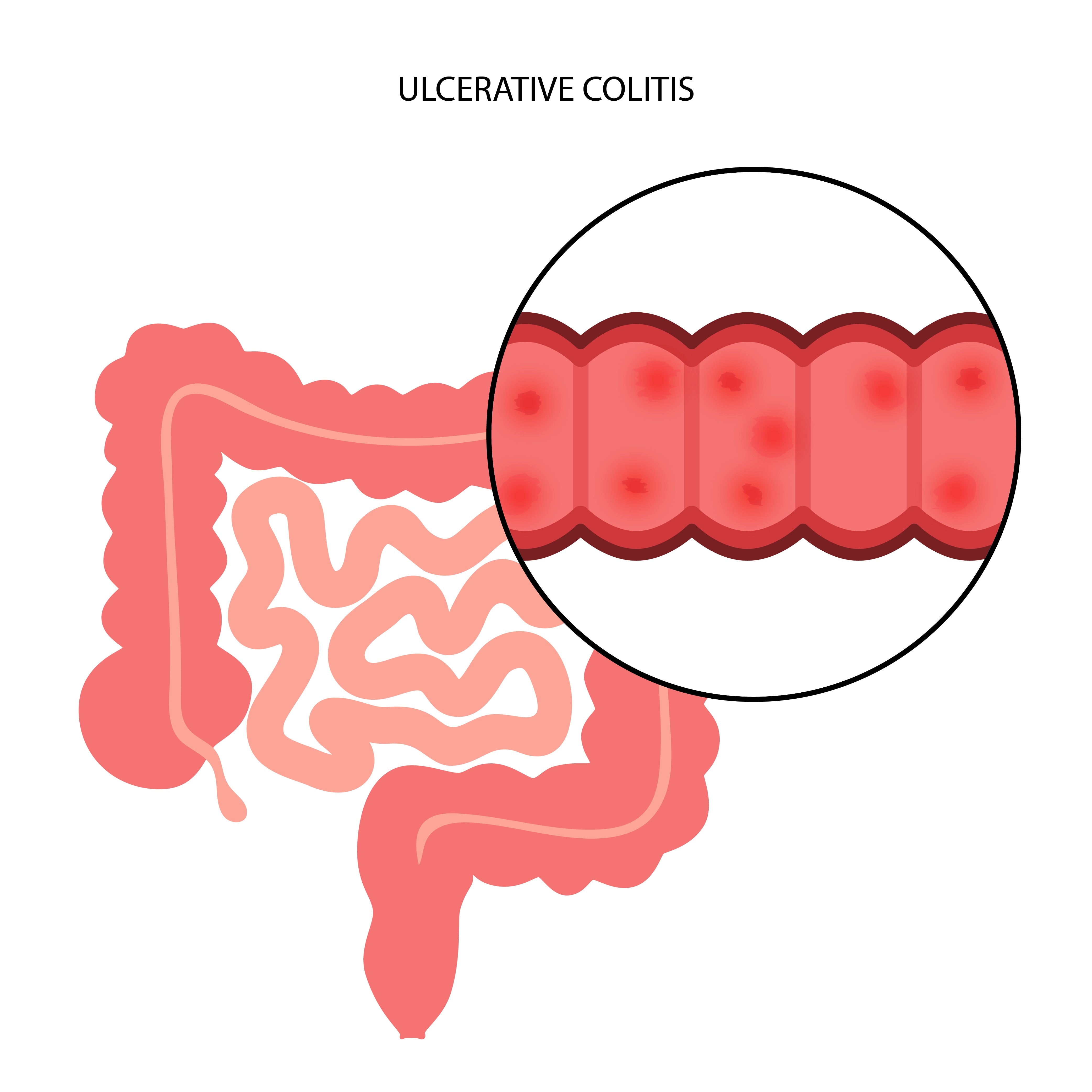
Ulcerative colitis symptoms often feel like an inflamed rectum and colon rather than a simple change in stool consistency. The usual pattern is recurrent or persistent bloody diarrhoea, abdominal cramping, increased stool frequency and an urgent need to reach the toilet.
Bowel symptoms can include:
- Blood, mucus or pus mixed with stool
- Rectal urgency, including waking at night to use the toilet
- Tenesmus: the feeling that you still need to pass stool even after your rectum is empty
- Lower-abdominal pain, cramps and soreness around the anus
| Symptom pattern | What you may notice | What it suggests |
|---|---|---|
| Bloody bowel symptoms | Frequent loose stools streaked or mixed with bright-red blood and mucus | Inflammation near the rectum or farther through the colon |
| Active inflammation | Several bowel movements, cramping and urgency that persist or recur | A pattern needing medical assessment, especially when it disrupts sleep |
| Whole-body response | Fatigue, reduced appetite, fever or unintentional weight loss | More extensive or active inflammation rather than an isolated bowel habit change |
| Symptoms beyond the bowel | Painful or swollen joints, red painful eyes, tender leg lumps or ulcers | Possible inflammatory effects associated with ulcerative colitis |
The intensity depends on how much of the colon is inflamed and how severe the inflammation is. Severe disease can cause frequent bloody stools with fever, a rapid pulse, dehydration or marked weakness; that combination needs prompt medical attention.
How ulcerative colitis differs from other causes of bowel change
Pattern and duration separate ulcerative colitis from many causes of bowel change. Ulcerative colitis usually produces persistent or recurrent diarrhoea with blood, mucus, urgency or tenesmus, whereas one isolated loose stool proves little.
| Cause | Clues that point towards it |
|---|---|
| Ulcerative colitis | Diarrhoea, rectal bleeding, urgency, tenesmus, abdominal cramps, fatigue or weight loss that recur or persist. |
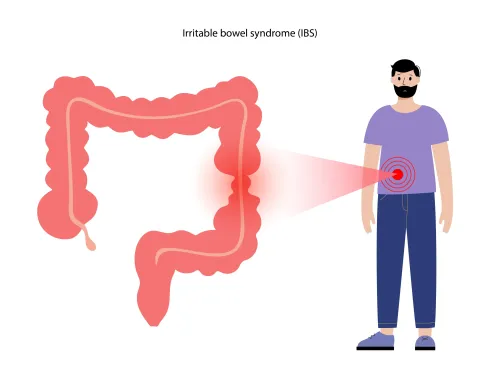
| IBS | The ulcerative colitis vs IBS distinction often rests on objective inflammation: IBS causes abdominal pain linked to bowel movements without bleeding, fever, anaemia or raised inflammatory markers. |
| Infectious diarrhoea | Sudden onset, fever, vomiting, sick contacts, contaminated food or recent travel favour infection; symptoms often settle within days, but stool testing may be needed. |
| Crohn’s disease | Crohn’s disease can affect any part of the digestive tract and may cause mouth ulcers, weight loss, abdominal pain, perianal disease or narrowing, rather than inflammation limited to the colon. |
| Haemorrhoids | Haemorrhoids commonly cause bright-red blood on toilet paper or the stool surface. They do not explain bloody diarrhoea, nocturnal bowel movements, weight loss or persistent urgency. |
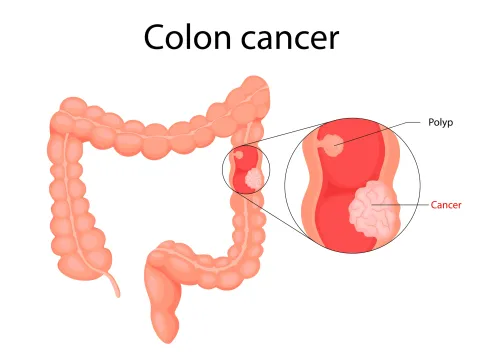
| Colorectal cancer | A new, sustained change in bowel habit, recurrent bleeding, iron-deficiency anaemia, weight loss or a family history requires assessment, even without pain. |
| Medication-related diarrhoea | A clear start after antibiotics, metformin, magnesium, laxatives or another medicine points towards a drug effect; non-steroidal anti-inflammatory drugs can also raise faecal calprotectin. |
Diarrhoea lasting four weeks meets the usual definition of chronic diarrhoea and needs clinical assessment. Faecal calprotectin can support the distinction between inflammatory bowel disease and IBS, but infection, colorectal neoplasia and NSAIDs can also raise it, so a result cannot diagnose ulcerative colitis alone.
When persistent bowel changes need evaluation or urgent care
Arrange medical assessment if diarrhoea lasts more than 7 days, if blood or mucus keeps returning, or if your bowel pattern remains different from normal. Nocturnal stools, weight loss, fatigue, anaemia, or recurrent urgency need earlier review rather than continued self-treatment.
Persistent diarrhoea lasting 4 weeks meets the usual definition of chronic diarrhoea. Causes include infection, medication effects, coeliac disease, microscopic colitis, bile-acid diarrhoea, irritable bowel syndrome and an ulcerative colitis flare. Stool tests for enteric infections and Clostridioides difficile are important before calling persistent symptoms a flare, especially after antibiotics, hospitalisation or healthcare contact.
Seek emergency care for:
- Heavy or continuous rectal bleeding, repeated bleeding with weakness, or black, tarry stools
- Fainting, confusion, a rapid heartbeat, severe thirst, very little urine or other signs of severe dehydration
- Severe or worsening abdominal pain, marked swelling, or inability to pass stool or gas
- Persistent vomiting or inability to keep fluids down
- High fever or rapid deterioration
| Situation | Action | Why it matters |
|---|---|---|
| Diarrhoea lasting more than 7 days | Arrange a clinical review | Infection and inflammatory conditions need testing |
| Symptoms lasting 4 weeks or longer | Seek assessment even without blood | This is chronic diarrhoea, not a short-lived upset |
| Known ulcerative colitis with frequent bloody stools and fever or weakness | Seek urgent hospital assessment | Acute severe colitis can require hospital treatment rather than dietary changes |
How clinicians investigate suspected ulcerative colitis
No single test confirms ulcerative colitis diagnosis. Clinicians combine your symptom timeline with examination findings, test results and the pattern seen inside the bowel.
History covers stool frequency, blood or mucus, urgency, night-time symptoms, recent antibiotics, travel, infections, medicines such as non-steroidal anti-inflammatory drugs, family history and previous bowel disease. Examination checks hydration, pulse, temperature, abdominal tenderness or swelling, weight, and signs outside the bowel such as joint, eye or skin inflammation.
Blood tests look for consequences and activity rather than proving the diagnosis. A complete blood count can show anaemia or infection; C-reactive protein, albumin, electrolytes, liver tests, iron studies and kidney tests assess inflammation, nutrition and dehydration.
Stool testing helps exclude mimics before persistent diarrhoea is called a flare. Ask about testing for enteric pathogens and a Clostridioides difficile stool test, especially after antibiotics, hospitalisation or healthcare contact.
| Test | What it adds | Important limitation |
|---|---|---|
| Faecal calprotectin | Detects intestinal inflammation and supports inflammatory bowel disease over IBS | It also rises with infection, colorectal neoplasia and NSAID use |
| Bowel ultrasound | Shows bowel-wall thickening and activity without radiation; useful for monitoring | It does not replace mucosal biopsies |
| Colonoscopy with biopsies | Confirms the pattern and checks microscopic inflammation | Requires bowel preparation and tissue interpretation |
Colonoscopy usually shows continuous inflammation beginning at the rectum. Biopsies from affected and apparently normal areas help distinguish ulcerative colitis from infection and Crohn’s disease. Dr. Harshad Joshi can interpret these findings alongside symptoms, stool results and inflammatory markers.
Related services
Endoscopy Colonoscopy ₹12000 • Used for examination of the inner lining of the LARGE INTESTINES (COLON) • BOWEL PREPARATION: dietary restrictions and bowel cleansing is done to... |
Ultrasound ₹2500 It is a specific type of abdominal ultrasound that focuses on imaging and assessing the small intestine. View service → |
What persistent symptoms mean when initial tests are normal or symptoms extend beyond the bowel
An apparently quiet colon does not prove that urgency, diarrhoea or pain has no cause. Symptoms can continue from irritable bowel syndrome, bile-acid diarrhoea, infection, medication effects or lingering sensitivity after inflammation has settled.
Faecal calprotectin interpretation also requires context: a normal result makes substantial active intestinal inflammation less likely, while an elevated result can reflect infection, colorectal neoplasia or NSAID use and does not confirm ulcerative colitis.
| Symptom or finding | Possible explanation | Tell the clinician |
|---|---|---|
| Persistent urgency, loose stools or cramps | Functional bowel symptoms, bile-acid diarrhoea, infection or medicine effect despite no visible active colitis | New medicines, antibiotics, NSAIDs, dietary triggers and nighttime symptoms |
| Ulcerative colitis joint pain or swollen joints | An extraintestinal manifestation, which can occur with bowel symptoms or precede diagnosis | Joint swelling, morning stiffness, heel pain or back pain |
| Red painful eyes, skin nodules or ulcers, jaundice or itching | Other extraintestinal manifestations involving the eyes, skin or hepatobiliary system | Onset, recurrence and whether symptoms track bowel flares |
Do not wait for a colorectal cancer surveillance appointment to assess a new bowel change. Surveillance is a separate plan, often beginning after about eight years of colitis extending beyond the rectum, with timing adjusted for inflammation, disease extent, primary sclerosing cholangitis, dysplasia and family history.
New bleeding, persistent diarrhoea, nighttime stools, weight loss or a sustained change needs earlier assessment.
Frequently asked questions
What symptom pattern raises concern for ulcerative colitis?
Recurrent or persistent bloody diarrhoea with urgency, increased stool frequency, rectal inflammation and abdominal cramping raises concern for ulcerative colitis.
How does ulcerative colitis differ from other causes of bowel change?
Ulcerative colitis causes ongoing inflammation in the rectum and colon, while infections, medicines, irritable bowel syndrome and other conditions have different patterns and test findings.
When do persistent bowel changes need urgent care?
Seek urgent care for heavy rectal bleeding, severe or worsening abdominal pain, fever, fainting, confusion or signs of dehydration.
How do clinicians investigate suspected ulcerative colitis?
Evaluation can include a medical history, physical examination, blood tests, stool tests and colonoscopy or flexible sigmoidoscopy with biopsies.
What if initial tests are normal but symptoms persist?
Persistent symptoms need follow-up because early disease, intermittent inflammation or causes outside the bowel can require repeat testing or a different evaluation.