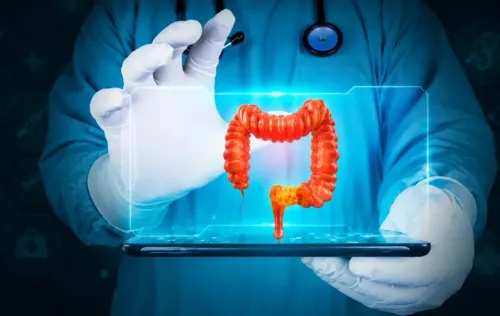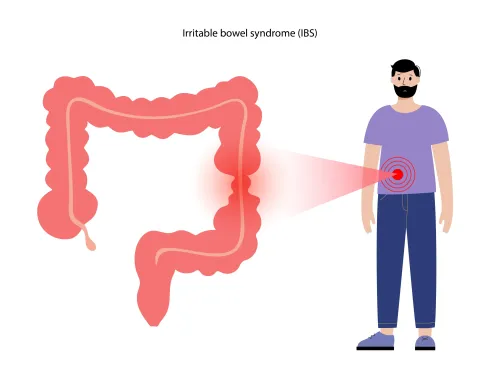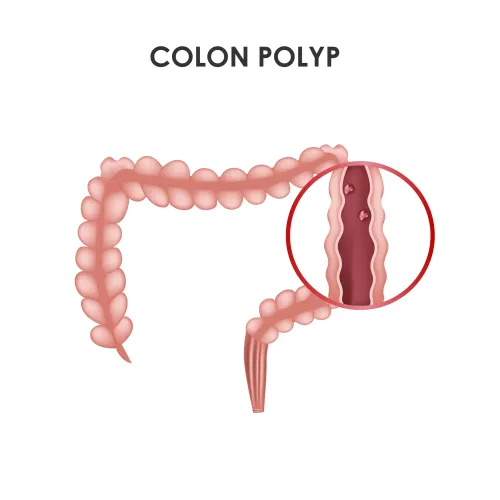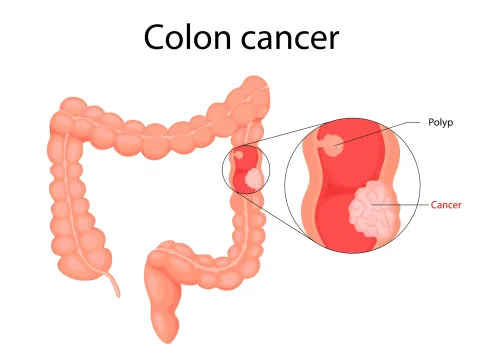

Ulcerative colitis is a chronic inflammatory condition that affects the inner lining of the large intestine (colon) and rectum. It is one of the two main forms of Inflammatory Bowel Disease (IBD) and can significantly impact a person's daily life if not diagnosed and treated early. While occasional digestive discomfort is common, persistent bowel symptoms should never be dismissed as routine stomach issues.
In a fast-paced city like Mumbai, people often delay seeking medical advice because they assume symptoms are related to food habits or stress. However, early recognition of ulcerative colitis can prevent complications and improve long-term outcomes through timely treatment.
What Is Ulcerative Colitis?
Ulcerative colitis causes continuous inflammation and ulcers along the lining of the colon. Unlike Crohn's disease, which can affect any part of the digestive tract, ulcerative colitis is limited to the large intestine and rectum.
The disease usually follows a pattern of flare-ups and remission. During a flare-up, symptoms become more severe, while periods of remission may leave patients feeling almost symptom-free. Even during remission, regular follow-up remains important to prevent future complications.
Early Symptoms That Often Go Unnoticed
Many people experience mild symptoms initially, making it easy to mistake ulcerative colitis for food poisoning or a temporary stomach infection.
Early warning signs include:
- Frequent loose stools
- Mild abdominal cramping
- Urgency to pass stools
- Passing mucus with stools
- Feeling that the bowel has not emptied completely
- Mild fatigue
If these symptoms continue for several weeks or repeatedly return, they should be evaluated by a gastroenterologist.
Symptoms That Should Never Be Ignored
As inflammation progresses, symptoms often become more noticeable and may interfere with work, travel, and social activities.
Seek medical evaluation if you experience:
- Persistent diarrhoea lasting more than two weeks
- Blood in stools
- Severe abdominal pain
- Frequent bowel movements, including at night
- Unexplained weight loss
- Fever without another obvious cause
- Loss of appetite
- Extreme tiredness
These symptoms may indicate active inflammation that requires prompt medical attention.
Why Does Ulcerative Colitis Develop?
The exact cause remains unclear, but experts believe that several factors contribute to the disease.
These include:
- An abnormal immune response
- Genetic predisposition
- Environmental influences
- Changes in gut bacteria
- Family history of IBD
Although stress does not directly cause ulcerative colitis, it can worsen symptoms during disease flare-ups.
How Is Ulcerative Colitis Diagnosed?
Since several digestive disorders produce similar symptoms, an accurate diagnosis requires a detailed evaluation.
Your gastroenterologist may recommend:
- Blood tests
- Stool analysis to rule out infections
- Colonoscopy with tissue biopsy
- Flexible sigmoidoscopy
- CT scan or MRI when necessary
A colonoscopy remains one of the most valuable investigations because it allows direct visualization of inflammation and helps determine the extent of disease involvement.
Modern Treatment Options
Treatment depends on the severity of inflammation, the extent of colon involvement, and the patient's overall health.
Management may include:
- Anti-inflammatory medications
- Immune-modulating medicines
- Biologic therapies for moderate to severe disease
- Nutritional guidance
- Iron and vitamin supplementation if deficiencies are present
- Surgery in selected cases where medication is no longer effective
The primary goals are to control inflammation, relieve symptoms, maintain remission, and reduce the risk of complications.
Possible Complications Without Proper Treatment
Ignoring ulcerative colitis can result in serious health problems over time.
Potential complications include:
- Severe dehydration
- Anaemia due to blood loss
- Colon dilation (toxic megacolon)
- Increased risk of colon cancer
- Nutritional deficiencies
- Reduced quality of life
Regular medical monitoring helps detect complications early and ensures treatment remains effective.
Lifestyle Tips That Can Help Manage Symptoms
Although medication is the foundation of treatment, certain lifestyle changes can help patients manage their condition more effectively.
These include:
- Eating balanced meals in smaller portions
- Drinking enough fluids throughout the day
- Identifying foods that trigger symptoms
- Limiting processed and spicy foods during flare-ups
- Managing stress through relaxation techniques
- Maintaining regular sleep patterns
- Avoiding smoking and unnecessary self-medication
Every patient responds differently, so dietary advice should be individualized rather than based on generalized internet recommendations.
The Importance of Long-Term Monitoring
Even when symptoms improve, ulcerative colitis requires ongoing medical supervision. Regular follow-up appointments help assess disease activity, adjust medications when needed, and monitor for long-term complications.
Patients with long-standing ulcerative colitis may also require periodic colon cancer screening, as chronic inflammation can increase the risk of colorectal cancer over time. Timely surveillance allows abnormal changes to be detected at an early, treatable stage.
For patients in Mumbai experiencing persistent bowel symptoms, consulting an experienced gastroenterologist can make a significant difference. Dr. Harshad Joshi provides comprehensive evaluation and individualized treatment for ulcerative colitis and other digestive disorders, helping patients control inflammation, prevent complications, and achieve better long-term digestive health through evidence-based care and regular follow-up.
Keywords