
Living with Ulcerative Colitis often involves periods when symptoms are controlled and periods when bowel problems become more active. Because patients become familiar with fluctuations, it can sometimes be difficult to decide whether a change can be monitored or requires specialist reassessment.
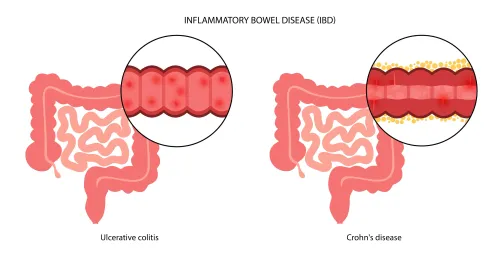
Ulcerative colitis is a chronic inflammatory condition affecting the colon. Effective treatment therefore focuses not only on reducing diarrhoea but also on controlling inflammation, maintaining remission and monitoring for complications.
Signs that deserve reassessment
A noticeable change from your usual pattern should not automatically be treated as just another flare.
Specialist review may be appropriate when there is
- Increasing stool frequency
- New or increasing rectal bleeding
- Greater urgency
- Persistent abdominal discomfort
- Unexplained weight loss
- Fever or marked fatigue
- Symptoms that begin waking you at night
- Reduced ability to eat or drink normally
- Symptoms continuing despite prescribed treatment
Severe symptoms, significant bleeding, dehydration or marked systemic illness may require more urgent medical evaluation.
Why symptoms alone do not tell the whole story
One challenge in ulcerative colitis is determining whether new symptoms genuinely represent active inflammation.
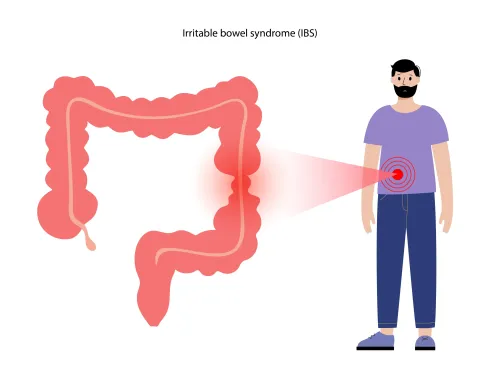
An intestinal infection can sometimes produce a similar clinical picture. Functional bowel symptoms can also persist even when inflammatory disease is controlled.
For that reason, treatment should not always be escalated solely because stool frequency has changed.
Depending on the situation, a gastroenterologist may use blood tests, stool tests, inflammatory markers, endoscopy or other assessments to establish what is happening.
When current medicines need reviewing
Ulcerative colitis treatment is selected according to disease extent and severity.
Some patients can be managed with medicines such as 5-aminosalicylates, while others may require corticosteroids for selected situations, immunomodulators, biologic medicines or other advanced therapies.
Repeated dependence on steroids, persistent inflammation or an inadequate response to current therapy can be reasons to reconsider the treatment strategy.
Patients should not stop maintenance medicines simply because they feel well unless the treatment plan has been reviewed with their doctor. Clinical remission and control of underlying inflammation are related but not always identical.
Long-term monitoring also matters
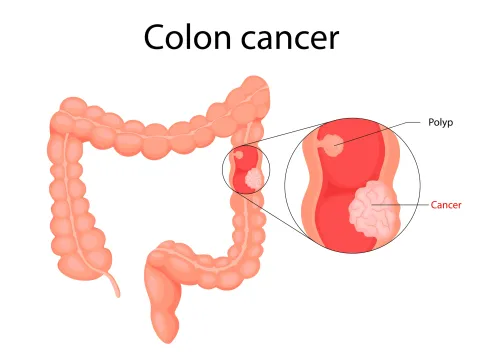
Patients who have had ulcerative colitis involving the colon for many years may require colorectal surveillance according to their disease duration, extent and individual risk factors.
This is different from routine colon cancer screening for an average-risk adult.
Regular follow-up can also address anaemia, nutritional concerns, medication monitoring and complications outside the intestine.
What should you take to your appointment?
A specialist review is more productive when previous information is available.
Bring
- Previous colonoscopy and biopsy reports
- Recent blood and stool investigation results
- A list of current medicines and doses
- Details of previous IBD treatments
- Information about hospital admissions or significant flares
- A brief record of current stool frequency and bleeding
If you have previously received biologic treatment, details of the medicine and treatment schedule are particularly useful.
Choosing gastrointestinal care in Mumbai
Patients seeking ulcerative colitis treatment in Mumbai should look beyond temporary relief of diarrhoea. Management of a chronic inflammatory condition requires an assessment of disease activity, previous treatment response, complications and long-term monitoring requirements.
Dr. Harshad Joshi provides gastrointestinal evaluation in Mumbai for patients with ulcerative colitis, inflammatory bowel disease and related digestive concerns. A consultation can be particularly relevant when symptoms are changing, existing therapy is no longer providing adequate control or previous reports need to be reviewed before deciding the next step.
For patients across Mumbai and Maharashtra, continuity also matters. Keeping copies of endoscopy reports, pathology findings, medication history and important laboratory results creates a useful record as treatment evolves.
Ulcerative colitis management is rarely about finding one medicine that remains unchanged forever. Disease activity and treatment needs can change over time. Recognising those changes early and reassessing them systematically helps patients move from repeatedly reacting to symptoms toward a more structured long-term management plan.
Keywords