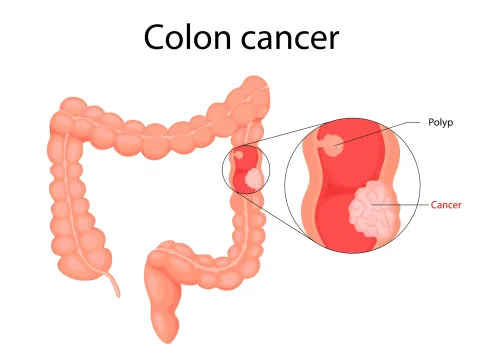

Diagnosing digestive disorders is not always straightforward. While a standard upper endoscopy examines the food pipe, stomach, and beginning of the small intestine, and a colonoscopy evaluates the large intestine, a significant portion of the small intestine remains difficult to access using these procedures. When symptoms persist and routine tests fail to identify the cause, a more advanced investigation may be required.
Double Balloon Enteroscopy (DBE) is a specialized endoscopic procedure that allows doctors to examine the entire small intestine in detail. It not only helps diagnose complex digestive conditions but also enables certain treatments to be performed during the same procedure, reducing the need for surgery in selected cases.
For patients in Mumbai with unexplained gastrointestinal symptoms, understanding when Double Balloon Enteroscopy is recommended can help them make informed decisions about their healthcare.
What Is Double Balloon Enteroscopy?
Double Balloon Enteroscopy is an advanced endoscopic technique designed to examine areas of the small intestine that cannot be reached with conventional endoscopy or colonoscopy.
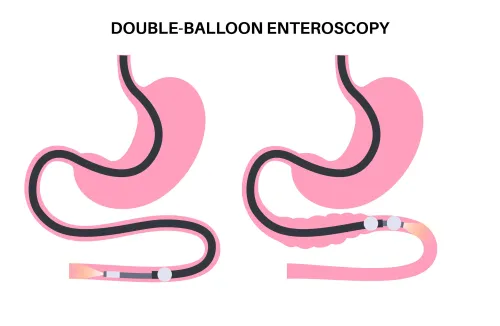
The procedure uses a long, flexible endoscope along with a specially designed overtube, both fitted with inflatable balloons. By alternately inflating and deflating these balloons, the doctor can gradually move through the small intestine, allowing a detailed examination of its lining.
Unlike imaging scans that only provide pictures, Double Balloon Enteroscopy allows direct visualization of abnormalities and enables tissue sampling or treatment when necessary.
Why Might Your Doctor Recommend Double Balloon Enteroscopy?
A gastroenterologist may suggest this procedure when symptoms continue despite normal findings on routine investigations.
Common reasons include:
- Persistent gastrointestinal bleeding with an unknown source
- Iron deficiency anaemia without an identifiable cause
- Suspected Crohn's disease affecting the small intestine
- Evaluation of small bowel ulcers
- Investigation of abnormal capsule endoscopy findings
- Suspected small intestinal tumours
- Removal of certain foreign bodies
- Assessment of inherited polyposis syndromes
The procedure is particularly valuable when imaging studies indicate an abnormality that requires direct examination.
Symptoms That May Require Further Investigation
Not everyone with digestive discomfort requires Double Balloon Enteroscopy. However, your doctor may consider it if you experience:
- Recurrent unexplained abdominal pain
- Long-standing anaemia
- Blood in the stool without an identified cause
- Chronic diarrhoea
- Unexplained weight loss
- Recurrent small bowel bleeding
- Persistent digestive symptoms despite previous normal endoscopy and colonoscopy
These symptoms often warrant a detailed assessment of the small intestine.
How Is the Procedure Performed?
Double Balloon Enteroscopy is usually carried out in a hospital or specialized endoscopy unit.
Depending on the location of the suspected problem, the endoscope may be introduced through the mouth or the rectum.
During the procedure:
- Sedation or anaesthesia is provided for patient comfort.
- The endoscope is carefully advanced through the digestive tract.
- The balloons help move the scope progressively through the small intestine.
- Any abnormal areas are examined closely.
- Tissue samples (biopsies) can be collected if needed.
- Certain treatments may also be performed during the same procedure.
The duration varies depending on the area being examined and whether therapeutic interventions are required.
Conditions That Can Be Diagnosed
Double Balloon Enteroscopy plays an important role in diagnosing several small bowel disorders.
These include:
- Crohn's disease
- Celiac disease with complications
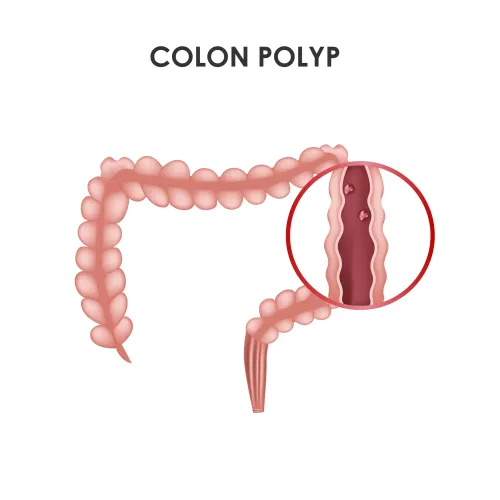
- Small intestinal polyps
- Bleeding blood vessels (angiodysplasia)
- Small bowel tumours
- Ulcers
- Narrowed intestinal segments (strictures)
- Unexplained gastrointestinal bleeding
Obtaining tissue samples during the procedure often helps confirm the diagnosis and guide further treatment.
Can Treatment Be Performed During the Procedure?
One of the major advantages of Double Balloon Enteroscopy is that it is not only diagnostic but also therapeutic.
Depending on the findings, the gastroenterologist may:
- Remove certain polyps
- Control bleeding from abnormal blood vessels
- Dilate narrowed sections of the intestine
- Retrieve retained capsule endoscopes
- Take targeted biopsies
- Mark abnormal areas before surgery
This can reduce the need for additional procedures and improve treatment planning.
Is Double Balloon Enteroscopy Safe?
Like all medical procedures, Double Balloon Enteroscopy carries some risks, but it is generally considered safe when performed by experienced specialists.
Possible but uncommon complications include:
- Bleeding
- Pancreatitis
- Perforation of the intestine
- Reactions to sedation
Patients receive detailed pre-procedure instructions and are monitored before, during, and after the examination to ensure safety.
Recovery After the Procedure
Most patients are observed for a short period after the procedure and can usually return home the same day unless additional treatment or monitoring is required.
Your doctor will provide guidance regarding:
- Resuming food and fluids
- Medication adjustments
- Activity restrictions
- Follow-up appointments
- Biopsy results, if samples were taken
Temporary bloating or mild throat discomfort may occur but usually resolves quickly.
Why Expertise Matters
Double Balloon Enteroscopy is a highly specialized procedure that requires advanced training and experience. Accurate interpretation of findings and appropriate therapeutic interventions are equally important in achieving the best outcomes.
For patients in Mumbai with unexplained gastrointestinal bleeding, suspected small bowel disease, or complex digestive disorders, Dr. Harshad Joshi offers comprehensive evaluation and advanced endoscopic expertise, including Double Balloon Enteroscopy when clinically indicated. Through precise diagnosis and individualized treatment planning, patients receive evidence-based care aimed at identifying the underlying cause of their symptoms and improving long-term digestive health.
Keywords